

Reducing the scrap rate of caps produced by a Cap Compression Molding Machine is crucial for manufacturers aiming to enhance efficiency, cut costs, and improve product quality. As a leading supplier of Cap Compression Molding Machines, we understand the challenges faced by our customers in achieving optimal production results. In this blog post, we will explore various strategies and best practices to help you minimize the scrap rate and maximize the output of your cap manufacturing process.
Understanding the Causes of Scrap in Cap Compression Molding
Before we delve into the solutions, it is essential to understand the common causes of scrap in cap compression molding. These can be broadly categorized into three main areas: machine-related issues, material-related issues, and process-related issues.
Machine-Related Issues
- Worn or Damaged Tooling: Over time, the molds and other tooling components of the Cap Compression Molding Machine can wear out or become damaged, leading to inconsistent cap dimensions and poor quality.
- Inaccurate Temperature Control: Maintaining the correct temperature is critical for the proper molding of caps. Fluctuations in temperature can cause the plastic to flow unevenly, resulting in defects such as warping, cracking, or incomplete filling.
- Poor Machine Alignment: Misalignment of the machine components can cause the caps to be molded unevenly, leading to scrap. This can be caused by improper installation, wear and tear, or lack of regular maintenance.
Material-Related Issues
- Inconsistent Material Quality: Variations in the quality of the plastic resin used in cap production can affect the molding process and lead to scrap. This can include differences in melt flow index, moisture content, and color.
- Contamination: Contamination of the plastic resin with foreign particles or moisture can cause defects in the caps, such as bubbles, streaks, or discoloration.
- Incorrect Material Selection: Choosing the wrong type of plastic resin for the specific application can result in poor cap performance and increased scrap rates.
Process-Related Issues
- Improper Molding Parameters: Incorrect settings for parameters such as pressure, temperature, and cycle time can lead to defective caps. These parameters need to be carefully optimized based on the specific material and cap design.
- Operator Error: Human error, such as incorrect loading of the plastic resin or improper handling of the machine, can also contribute to scrap. Training and supervision of operators are essential to minimize these errors.
- Lack of Quality Control: Without proper quality control measures in place, it can be difficult to detect and reject defective caps before they are packaged and shipped. This can lead to customer complaints and increased scrap rates.
Strategies to Reduce the Scrap Rate
Now that we have identified the common causes of scrap in cap compression molding, let's explore some strategies to reduce the scrap rate and improve the overall efficiency of your production process.
Regular Machine Maintenance
- Inspect and Replace Worn Tooling: Regularly inspect the molds and other tooling components for signs of wear and damage. Replace any worn or damaged parts promptly to ensure consistent cap quality.
- Calibrate Temperature and Pressure Sensors: Accurate temperature and pressure control are essential for the proper molding of caps. Regularly calibrate the sensors to ensure they are providing accurate readings.
- Perform Preventive Maintenance: Follow a regular preventive maintenance schedule to keep the machine in good working condition. This can include lubrication, cleaning, and adjustment of the machine components.
Material Management
- Source High-Quality Plastic Resin: Choose a reliable supplier of high-quality plastic resin that meets your specific requirements. Conduct regular quality checks on the incoming material to ensure consistency.
- Store Material Properly: Store the plastic resin in a dry, clean environment to prevent contamination and moisture absorption. Use proper storage containers and follow the manufacturer's recommendations for handling and storage.
- Optimize Material Usage: Minimize waste by optimizing the material usage during the molding process. This can include using the correct amount of resin, recycling scrap material, and reducing the amount of sprue and runner waste.
Process Optimization
- Fine-Tune Molding Parameters: Work with your machine supplier or a process engineer to optimize the molding parameters for your specific cap design and material. This can involve adjusting the pressure, temperature, and cycle time to achieve the best possible results.
- Implement Quality Control Measures: Establish a comprehensive quality control system to detect and reject defective caps before they are packaged and shipped. This can include visual inspection, dimensional measurement, and functional testing.
- Train and Supervise Operators: Provide comprehensive training to your operators on the proper operation of the Cap Compression Molding Machine and the importance of quality control. Supervise their work regularly to ensure they are following the correct procedures.
Continuous Improvement
- Collect and Analyze Data: Collect data on the scrap rate, production output, and other key performance indicators to identify trends and areas for improvement. Use this data to make informed decisions and implement corrective actions.
- Conduct Root Cause Analysis: When a scrap issue occurs, conduct a root cause analysis to determine the underlying cause and develop a plan to prevent it from happening again. This can involve using tools such as fishbone diagrams, Pareto charts, and 5 Whys analysis.
- Stay Up-to-Date with Technology: Keep abreast of the latest advancements in cap compression molding technology and consider upgrading your machine or implementing new processes to improve efficiency and reduce scrap rates.
Our Cap Compression Molding Machines
As a leading supplier of Cap Compression Molding Machines, we offer a range of high-quality machines that are designed to meet the specific needs of our customers. Our machines are equipped with advanced features and technologies to ensure consistent cap quality, high production efficiency, and low scrap rates.
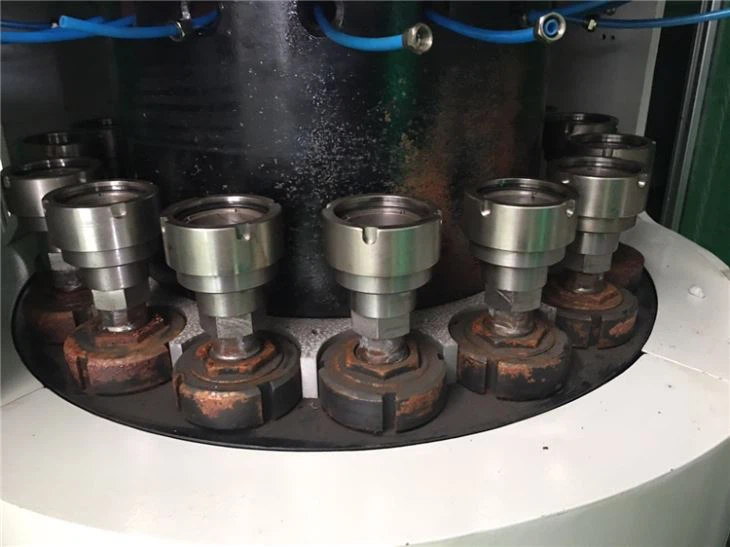

- Plastic Cap Compression Molding Machine for Water Lids: This machine is specifically designed for the production of plastic caps for water lids. It features a high-speed molding process, precise temperature control, and a user-friendly interface.
- High Speed Plastic Cap Compression Molding Machine: This machine is ideal for high-volume production of plastic caps. It offers a fast cycle time, high productivity, and excellent cap quality.
- Hydraulic Plastic Sode Cap Compression Molding Machine: This machine is suitable for the production of plastic caps with complex shapes and designs. It features a hydraulic system for precise control of the molding process and a robust construction for long-term reliability.
Conclusion
Reducing the scrap rate of caps produced by a Cap Compression Molding Machine is a continuous process that requires a combination of proper machine maintenance, material management, process optimization, and continuous improvement. By implementing the strategies outlined in this blog post and choosing the right Cap Compression Molding Machine for your specific needs, you can significantly reduce the scrap rate, improve the quality of your caps, and increase the efficiency of your production process.
If you are interested in learning more about our Cap Compression Molding Machines or have any questions about reducing the scrap rate in your cap manufacturing process, please contact us to discuss your requirements and explore how we can help you achieve your goals.
References
- "Plastic Injection Molding Handbook" by O. Olanipekun and M. A. Adeyemi
- "Compression Molding of Plastics" by J. L. Throne
- "Quality Control in Manufacturing" by D. C. Montgomery