

As a supplier of Cap Compression Molding Machines, I understand the critical role that the cooling system plays in the efficient and reliable operation of these machines. A well-functioning cooling system is essential for maintaining optimal temperatures, preventing overheating, and ensuring the quality of the molded caps. In this blog post, I will share some valuable insights on how to troubleshoot the cooling system of a Cap Compression Molding Machine.
Understanding the Cooling System
Before delving into troubleshooting, it's important to have a basic understanding of the cooling system in a Cap Compression Molding Machine. The cooling system typically consists of a chiller, cooling pipes, water pumps, and temperature sensors. The chiller is responsible for cooling the water, which is then circulated through the machine to remove heat generated during the molding process. The water pumps ensure a continuous flow of water, while the temperature sensors monitor the water temperature and send signals to the control system.
Common Cooling System Problems
Over time, the cooling system of a Cap Compression Molding Machine may encounter various problems. Here are some of the most common issues and their possible causes:
1. Insufficient Cooling
- Cause: Low refrigerant level in the chiller, clogged cooling pipes, or a malfunctioning water pump.
- Symptom: The temperature of the molded caps is higher than normal, or the machine shuts down due to overheating.
2. Leaking Water
- Cause: Damaged cooling pipes, loose connections, or a faulty water pump seal.
- Symptom: Water is dripping or pooling around the machine, which can lead to electrical problems and corrosion.
3. High Water Temperature
- Cause: A dirty or blocked condenser in the chiller, insufficient water flow, or a malfunctioning temperature sensor.
- Symptom: The water temperature exceeds the recommended range, which can affect the quality of the molded caps and reduce the lifespan of the machine.
4. Noisy Operation
- Cause: Loose components, worn-out bearings in the water pump, or air in the cooling system.
- Symptom: Unusual noises such as rattling, humming, or screeching can be heard during the operation of the machine.
Troubleshooting Steps
Now that we have identified some of the common cooling system problems, let's discuss the troubleshooting steps to resolve them:
1. Check the Refrigerant Level
- Step 1: Locate the refrigerant gauge on the chiller.
- Step 2: Check the refrigerant level. If it is below the recommended level, contact a professional technician to recharge the refrigerant.
2. Inspect the Cooling Pipes
- Step 1: Visually inspect the cooling pipes for any signs of damage, such as cracks, leaks, or blockages.
- Step 2: If you find any damaged pipes, replace them immediately.
- Step 3: Clean the cooling pipes to remove any debris or sediment that may be causing a blockage.
3. Check the Water Pump
- Step 1: Listen for any unusual noises coming from the water pump.
- Step 2: Check the water pump for any signs of leaks or damage.
- Step 3: If the water pump is not working properly, check the electrical connections and the pump motor. If necessary, replace the water pump.
4. Clean the Condenser
- Step 1: Turn off the chiller and unplug it from the power source.
- Step 2: Remove the condenser cover and use a soft brush or compressed air to clean the condenser coils.
- Step 3: Reinstall the condenser cover and plug in the chiller.
5. Check the Temperature Sensors
- Step 1: Use a multimeter to test the temperature sensors.
- Step 2: If the temperature sensors are not working properly, replace them.
6. Bleed the Air from the Cooling System
- Step 1: Locate the air bleed valve on the cooling system.
- Step 2: Open the air bleed valve to release any air trapped in the system.
- Step 3: Close the air bleed valve once all the air has been removed.
Preventive Maintenance
In addition to troubleshooting, preventive maintenance is crucial for ensuring the long-term reliability and performance of the cooling system in a Cap Compression Molding Machine. Here are some preventive maintenance tips:
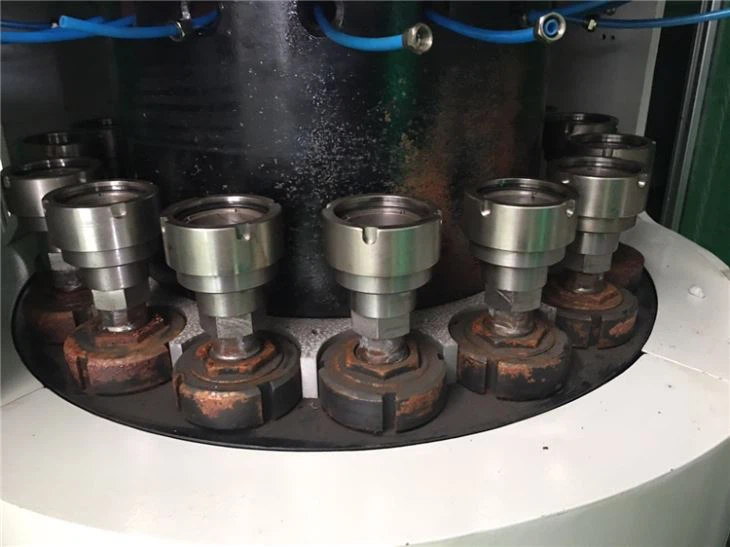

1. Regularly Inspect the Cooling System
- Frequency: At least once a month.
- Inspection Items: Check the refrigerant level, cooling pipes, water pump, condenser, and temperature sensors for any signs of damage or wear.
2. Clean the Cooling System
- Frequency: At least once every three months.
- Cleaning Items: Clean the condenser coils, cooling pipes, and water pump to remove any dirt, debris, or sediment.
3. Replace the Filters
- Frequency: As recommended by the manufacturer.
- Filter Types: Replace the air filters and water filters to ensure proper air and water flow.
4. Lubricate the Moving Parts
- Frequency: As recommended by the manufacturer.
- Lubrication Points: Lubricate the bearings in the water pump and other moving parts to reduce friction and wear.
5. Train the Operators
- Training Content: Provide training to the operators on how to operate the Cap Compression Molding Machine properly, including how to monitor the cooling system and perform basic maintenance tasks.
Conclusion
The cooling system is a vital component of a Cap Compression Molding Machine, and its proper functioning is essential for the quality and efficiency of the molding process. By understanding the common cooling system problems, following the troubleshooting steps, and implementing preventive maintenance measures, you can ensure the reliable operation of your Cap Compression Molding Machine and minimize downtime.
If you are in the market for a high-quality Cap Compression Molding Machine, we offer a range of products to meet your needs. Check out our High Speed Plastic Cap Compression Molding Machine, Hydraulic Plastic Sode Cap Compression Molding Machine, and Plastic Cap Compression Molding Machine for Water Lids. Contact us today to discuss your requirements and explore how our machines can enhance your production capabilities.
References
- Compression Molding Handbook.
- Cap Compression Molding Machine User Manual.