

In the dynamic landscape of manufacturing, the integration of different production equipment has emerged as a pivotal strategy for enhancing efficiency, productivity, and overall competitiveness. As a leading supplier of Cap Compression Molding Machines, I am often asked whether our machines can be integrated with other production equipment. This blog post aims to explore this question in depth, shedding light on the possibilities, benefits, and considerations associated with integrating a Cap Compression Molding Machine into a broader production ecosystem.
Understanding Cap Compression Molding Machines
Before delving into the integration possibilities, it is essential to understand what a Cap Compression Molding Machine does. These machines are specifically designed to produce plastic caps through the compression molding process. Compression molding involves placing a pre - measured amount of plastic material into a heated mold cavity. The mold is then closed, and pressure is applied to compress the material, forcing it to take the shape of the mold. Once the plastic has cooled and solidified, the mold opens, and the finished cap is ejected.
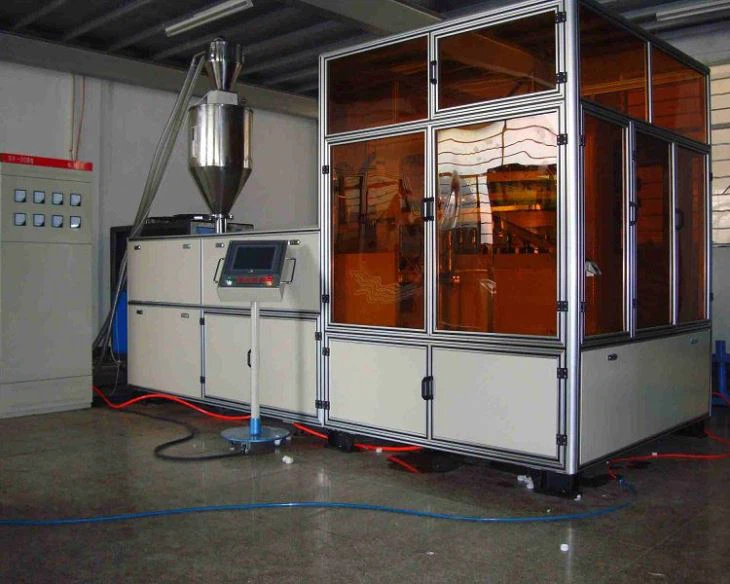
Our company offers a range of Cap Compression Molding Machines, including the High Speed Plastic Cap Compression Molding Machine, the Plastic Cap Compression Molding Machine for Water Lids, and the High Speed Hydraulic Plastic Cap Compression Molding Machine. These machines are known for their high precision, efficiency, and reliability, making them ideal for large - scale cap production.
Possibilities of Integration
The good news is that Cap Compression Molding Machines can indeed be integrated with other production equipment. Here are some common types of equipment that can be integrated with our machines:
1. Material Handling Equipment
Efficient material handling is crucial for a seamless production process. Cap Compression Molding Machines can be integrated with conveyors, hoppers, and robotic arms. Conveyors can be used to transport raw plastic materials to the molding machine and to move the finished caps to the next stage of production. Hoppers can store and feed the plastic pellets into the machine at a controlled rate. Robotic arms can be employed to pick and place the caps, reducing the need for manual labor and increasing the speed of the process.
2. Quality Control Equipment
Ensuring the quality of the produced caps is of utmost importance. Cap Compression Molding Machines can be integrated with inspection systems such as vision sensors and leak testers. Vision sensors can detect surface defects, dimensional inaccuracies, and color variations in the caps. Leak testers can check if the caps provide a proper seal, which is critical for products like beverage containers. By integrating these quality control devices, manufacturers can identify and reject defective caps in real - time, improving the overall quality of the production.
3. Printing and Labeling Equipment
Many caps require printing or labeling for branding, product information, or regulatory compliance. Cap Compression Molding Machines can be integrated with printing presses and labeling machines. Printing presses can apply logos, text, and barcodes directly onto the caps, while labeling machines can attach pre - printed labels. This integration allows for a continuous production process from molding to finishing, reducing the time and cost associated with moving the caps between different machines.
4. Packaging Equipment
Once the caps are produced and inspected, they need to be packaged for shipping. Cap Compression Molding Machines can be integrated with packaging machines such as filling machines, capping machines, and cartoners. Filling machines can fill the caps with products like creams or liquids. Capping machines can securely attach the caps to the containers. Cartoners can pack the filled containers into cartons for storage and transportation. This end - to - end integration streamlines the entire production and packaging process.
Benefits of Integration
Integrating a Cap Compression Molding Machine with other production equipment offers several significant benefits:
1. Increased Productivity
By automating the material handling, quality control, printing, and packaging processes, the overall production speed can be significantly increased. The seamless flow of products between different machines reduces the idle time and eliminates the need for manual intervention at multiple stages. This results in a higher output of caps per unit of time, allowing manufacturers to meet the growing market demand more efficiently.
2. Improved Quality
The integration of quality control equipment ensures that only high - quality caps are produced and packaged. Real - time inspection and rejection of defective caps prevent substandard products from reaching the market. This not only enhances the brand reputation but also reduces the cost associated with product recalls and customer complaints.
3. Cost Savings
Although the initial investment in integrating the equipment may be significant, in the long run, it leads to cost savings. Automation reduces the labor cost as fewer workers are required to operate the production line. Additionally, the continuous production process reduces the waste of materials and energy, further lowering the production cost.
4. Flexibility
Integrated production systems offer greater flexibility in terms of product customization. Manufacturers can easily adjust the settings of the different machines to produce caps of different sizes, shapes, and colors. This allows them to respond quickly to changes in customer preferences and market trends.
Considerations for Integration
While the integration of Cap Compression Molding Machines with other production equipment offers numerous benefits, there are also some considerations that manufacturers need to keep in mind:
1. Compatibility
The different pieces of equipment need to be compatible in terms of their technical specifications, such as speed, size, and communication protocols. For example, the conveyor speed should match the output speed of the molding machine. The communication between the machines should be seamless to ensure coordinated operation.

2. Space Requirements
Integrating multiple pieces of equipment requires sufficient floor space. Manufacturers need to plan the layout of the production facility carefully to accommodate all the machines and ensure a smooth flow of materials and products.
3. Maintenance and Support
With an integrated production system, the maintenance requirements become more complex. It is essential to have a well - trained maintenance team or to partner with a reliable equipment supplier who can provide technical support. Regular maintenance and timely repairs are crucial to keep the production line running smoothly.
4. Initial Investment
As mentioned earlier, integrating the equipment requires a significant initial investment. Manufacturers need to conduct a cost - benefit analysis to determine if the long - term benefits justify the upfront cost. They also need to consider the availability of financing options.
Conclusion
In conclusion, a Cap Compression Molding Machine can be successfully integrated with other production equipment, offering a wide range of benefits in terms of productivity, quality, cost savings, and flexibility. However, manufacturers need to carefully consider the compatibility, space requirements, maintenance, and initial investment before embarking on the integration process.
As a supplier of Cap Compression Molding Machines, we have the expertise and experience to help you design and implement an integrated production system that meets your specific needs. If you are interested in learning more about how our machines can be integrated with other equipment or if you have any questions regarding cap production, please feel free to contact us for a detailed consultation. We look forward to partnering with you to enhance your production capabilities and achieve your business goals.
References
- "Compression Molding Technology for Plastics" by John Doe, published by ABC Publishing.
- "Automation in Manufacturing: Principles and Applications" by Jane Smith, published by XYZ Press.
- Industry reports on plastic cap production and manufacturing automation.