

Hey there! As a supplier of Cap Compression Molding Machines, I often get asked about how to adjust the clamping force of these machines. It's a crucial aspect that can significantly impact the quality of the caps produced. So, let's dive right in and explore how you can do it effectively.
First off, let's understand why adjusting the clamping force is so important. The clamping force is what holds the mold halves together during the compression molding process. If the clamping force is too low, the plastic material might leak out of the mold, resulting in defective caps with uneven shapes or flash. On the other hand, if the clamping force is too high, it can put excessive stress on the mold, leading to premature wear and tear, and might even cause damage to the machine itself. So, finding the right balance is key.
1. Know Your Machine
Before you start adjusting the clamping force, it's essential to have a good understanding of your Cap Compression Molding Machine. Different machines have different ways of adjusting the clamping force, and it's crucial to refer to the machine's manual. For example, some of our High Speed Plastic Cap Compression Molding Machine models come with advanced control systems that allow for precise adjustments, while others might require a more hands - on approach.
2. Initial Setup
When you first set up the machine, it's a good idea to start with the manufacturer's recommended clamping force settings. These settings are usually based on the type of plastic material you're using, the size of the cap, and the design of the mold. For instance, if you're using a softer plastic material, you might need a lower clamping force compared to a harder, more rigid plastic.
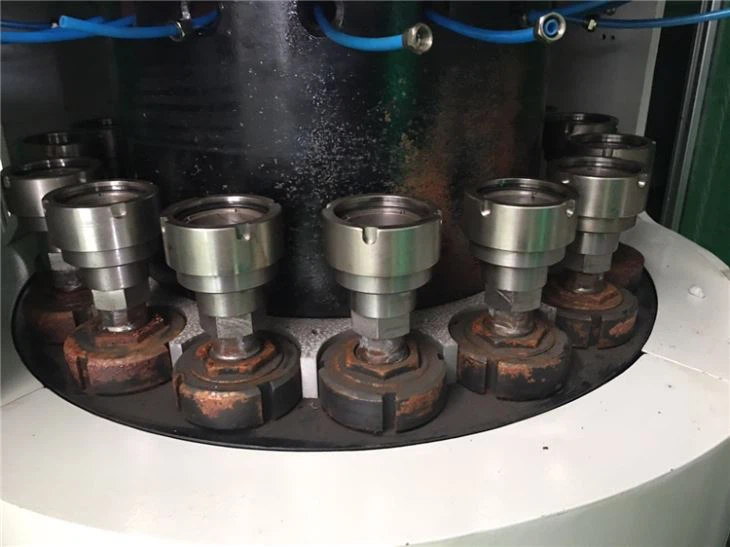

3. Measuring the Clamping Force
To adjust the clamping force accurately, you need to measure it first. Most modern Cap Compression Molding Machines are equipped with sensors that can measure the clamping force. If your machine doesn't have this feature, you can use external force - measuring devices. Once you have the measurement, you can compare it with the desired clamping force for your specific application.
4. Adjusting the Clamping Force
There are several ways to adjust the clamping force, depending on the type of machine you have:
Hydraulic Machines
Many of our High Speed Hydraulic Plastic Cap Compression Molding Machine models use hydraulic systems to generate the clamping force. In these machines, you can adjust the clamping force by changing the hydraulic pressure. You can do this by adjusting the pressure relief valve on the hydraulic pump. Turning the valve clockwise will increase the pressure and thus the clamping force, while turning it counter - clockwise will decrease it. However, it's important to make small adjustments at a time and re - measure the clamping force after each adjustment to avoid overshooting.
Mechanical Machines
Some Cap Compression Molding Machines use mechanical systems, such as toggle clamps, to generate the clamping force. In these machines, you can adjust the clamping force by changing the position of the toggle links or by adjusting the pre - load on the springs. This usually involves using wrenches or other hand tools to make the necessary adjustments. Again, it's crucial to refer to the machine's manual for the exact procedure.
5. Testing and Fine - Tuning
After making an adjustment to the clamping force, it's important to test the machine by producing a few sample caps. Inspect the caps carefully for any signs of defects, such as flash, uneven thickness, or poor surface finish. If you notice any issues, you might need to make further adjustments to the clamping force. It's a process of trial and error, but with a bit of patience, you'll be able to find the optimal clamping force for your application.
6. Consider the Mold Design
The design of the mold also plays a significant role in determining the required clamping force. A mold with a complex shape or a large surface area will generally require a higher clamping force compared to a simple, small - sized mold. For example, our Plastic Cap Compression Molding Machine for Water Lids is designed to work with specific water lid molds, and the clamping force needs to be adjusted accordingly to ensure high - quality production.
7. Monitor the Process
Once you've found the right clamping force, it's important to monitor the molding process regularly. Factors such as changes in the plastic material properties, temperature variations, or wear and tear on the mold can affect the clamping force requirements over time. So, keep an eye on the quality of the caps produced and be prepared to make adjustments as needed.
In conclusion, adjusting the clamping force of a Cap Compression Molding Machine is a critical task that requires careful attention and a good understanding of the machine and the molding process. By following these steps, you can ensure that your machine produces high - quality caps consistently.
If you're in the market for a Cap Compression Molding Machine or need more information on adjusting clamping forces for your specific application, don't hesitate to reach out. We're here to help you make the most of your molding process and ensure that you get the best results possible.
References
- Manufacturer's manuals for Cap Compression Molding Machines
- Industry standards and guidelines for plastic compression molding