

Corrosion is a significant concern in the operation of injection machinery for PET preforms. As a supplier of such machinery, I understand the challenges that corrosion can pose to the performance, longevity, and efficiency of these critical manufacturing assets. In this blog post, I will share some effective strategies to prevent corrosion in injection machinery for PET preforms, ensuring optimal operation and minimizing downtime.
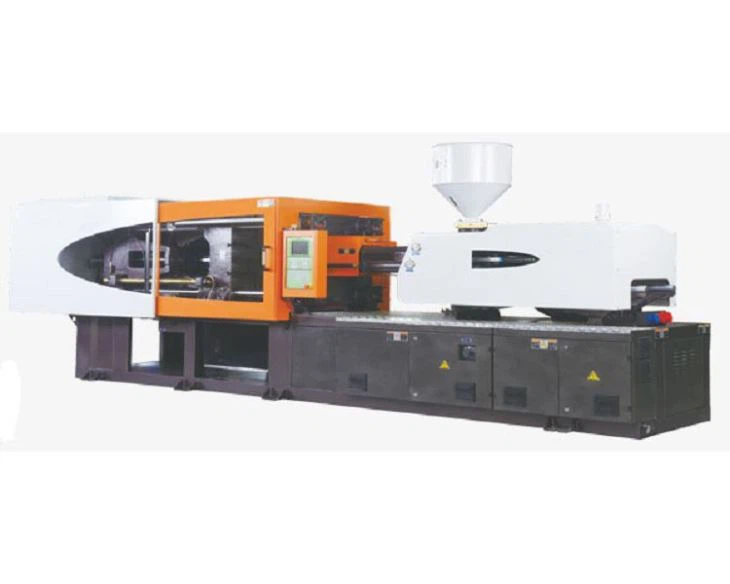

Understanding the Causes of Corrosion in PET Preform Injection Machinery
Before delving into prevention methods, it's essential to understand the root causes of corrosion in injection machinery. Several factors can contribute to corrosion, including:
- Chemical Exposure: PET preform injection machinery often comes into contact with various chemicals, such as cleaning agents, lubricants, and additives. These chemicals can react with the metal surfaces of the machinery, leading to corrosion over time.
- Moisture and Humidity: High levels of moisture and humidity in the manufacturing environment can accelerate the corrosion process. Water can cause oxidation on metal surfaces, leading to rust and other forms of corrosion.
- Temperature Fluctuations: Extreme temperature changes can cause thermal stress on the machinery, leading to the expansion and contraction of metal components. This can create cracks and crevices where moisture and chemicals can accumulate, increasing the risk of corrosion.
- Mechanical Wear and Tear: Friction and abrasion from moving parts can damage the protective coatings on metal surfaces, exposing them to corrosion. Additionally, scratches and dents can provide entry points for moisture and chemicals.
Strategies for Preventing Corrosion in PET Preform Injection Machinery
Material Selection
The choice of materials for injection machinery components is crucial in preventing corrosion. Opt for corrosion-resistant materials, such as stainless steel, aluminum alloys, and composite materials. These materials have inherent resistance to corrosion and can withstand exposure to chemicals, moisture, and temperature fluctuations.
Protective Coatings
Applying protective coatings to metal surfaces can provide an additional layer of defense against corrosion. Coatings such as epoxy, polyurethane, and zinc-rich paints can create a barrier between the metal and the environment, preventing moisture and chemicals from coming into contact with the surface. Regularly inspect and maintain these coatings to ensure their effectiveness.
Proper Cleaning and Maintenance
Regular cleaning and maintenance are essential for preventing corrosion in injection machinery. Use mild cleaning agents and avoid abrasive materials that can damage the protective coatings. After cleaning, thoroughly dry the machinery to prevent moisture from accumulating. Additionally, lubricate moving parts regularly to reduce friction and wear, which can contribute to corrosion.
Environmental Control
Controlling the manufacturing environment can significantly reduce the risk of corrosion. Maintain a consistent temperature and humidity level in the production area to minimize thermal stress and moisture accumulation. Use dehumidifiers and air conditioning systems to regulate the environment. Additionally, ensure proper ventilation to remove any chemical fumes or vapors that can contribute to corrosion.
Monitoring and Inspection
Regular monitoring and inspection of injection machinery are crucial for detecting early signs of corrosion. Implement a preventive maintenance program that includes visual inspections, non-destructive testing, and corrosion monitoring. By identifying and addressing corrosion issues early, you can prevent further damage and extend the lifespan of the machinery.
Importance of Corrosion Prevention in PET Preform Injection Machinery
Preventing corrosion in injection machinery for PET preforms offers several benefits, including:
- Improved Performance: Corrosion can cause mechanical failures, reduce the efficiency of the machinery, and affect the quality of the PET preforms. By preventing corrosion, you can ensure optimal performance and consistent product quality.
- Extended Lifespan: Corrosion can significantly shorten the lifespan of injection machinery. By implementing effective corrosion prevention strategies, you can extend the lifespan of the machinery, reducing the need for frequent replacements and saving on costs.
- Reduced Downtime: Corrosion-related breakdowns can cause significant downtime, disrupting production schedules and leading to lost revenue. By preventing corrosion, you can minimize downtime and ensure continuous operation of the manufacturing process.
- Enhanced Safety: Corroded machinery can pose safety risks to operators. By preventing corrosion, you can ensure the safety of your employees and comply with safety regulations.
Conclusion
Corrosion is a serious issue that can affect the performance, longevity, and safety of injection machinery for PET preforms. As a supplier of Plastic Injection Moulding Machine, Automatic PET Bottle Preform Injection Moulding Machine, and Automatic Plastic Bottle Cap Injection Moulding Making Machine, I recommend implementing the strategies outlined in this blog post to prevent corrosion and ensure the optimal operation of your machinery.
If you have any questions or need further information on corrosion prevention in injection machinery for PET preforms, please feel free to contact us. We are committed to providing high-quality machinery and comprehensive support to help you achieve your manufacturing goals.
References
- Fontana, M. G. (1986). Corrosion engineering. McGraw-Hill.
- Uhlig, H. H., & Revie, R. W. (1985). Corrosion and corrosion control. Wiley.
- Schweitzer, P. A. (2004). Corrosion resistance tables. McGraw-Hill.