

Selecting the right lubricant for an injection machine is a crucial decision that can significantly impact the machine's performance, longevity, and overall efficiency. As a trusted Injection Machine supplier, we understand the importance of this choice and are here to guide you through the process.
Understanding the Role of Lubricants in Injection Machines
Lubricants play a multifaceted role in injection machines. First and foremost, they reduce friction between moving parts. In an injection machine, there are numerous components that move against each other, such as screws, barrels, and clamping units. High friction can lead to excessive wear and tear, which not only shortens the lifespan of these parts but also increases energy consumption as the machine has to work harder to overcome the resistance.
Secondly, lubricants help in dissipating heat. The operation of an injection machine generates a significant amount of heat, especially in the barrel where the plastic is melted. A good lubricant can absorb and transfer this heat away from the critical components, preventing overheating and potential damage.
Additionally, lubricants can act as a sealant, preventing the ingress of contaminants such as dust, dirt, and moisture. These contaminants can cause corrosion and abrasion, further degrading the performance of the machine.
Factors to Consider When Selecting a Lubricant
1. Machine Type and Design
Different types of injection machines have different lubrication requirements. For example, Plastic Injection Moulding Machine may have specific needs based on the type of plastic being processed and the operating conditions. Machines designed for high - speed production may require lubricants with better anti - wear properties to withstand the increased stress.
Similarly, Customer Design PET Preform Injection Molding Machine and Automatic PET Bottle Preform Injection Moulding Machine are tailored to produce PET preforms. These machines often operate at high temperatures and pressures, so the lubricant must be able to maintain its properties under such extreme conditions.
2. Operating Conditions
The temperature, pressure, and speed at which the injection machine operates are critical factors. High - temperature environments require lubricants with a high flash point and good thermal stability. For instance, if the machine is used in a hot factory setting or if it processes plastics that require high melting temperatures, a lubricant that can withstand these elevated temperatures without breaking down is essential.
High - pressure applications, such as those involving large clamping forces or high - pressure injection, demand lubricants with excellent load - carrying capacity. These lubricants can form a strong film between the moving parts, preventing metal - to - metal contact even under heavy loads.
The speed of the machine also affects the lubricant selection. High - speed operations may require lubricants with low viscosity to ensure smooth and efficient movement, while slower - moving parts may benefit from higher - viscosity lubricants for better protection.
3. Compatibility with Plastics
The lubricant used in an injection machine must be compatible with the plastics being processed. Some lubricants may contain additives that can react with certain plastics, causing discoloration, degradation, or other quality issues in the final product. For example, silicone - based lubricants may not be suitable for some types of plastics as they can leave a residue or cause surface defects.
It is important to consult the plastic manufacturer's guidelines and conduct compatibility tests if necessary to ensure that the lubricant does not have a negative impact on the plastic's properties.
4. Lubrication System
The type of lubrication system in the injection machine also influences the lubricant choice. There are different types of lubrication systems, such as manual, semi - automatic, and fully automatic systems. Manual lubrication systems require lubricants that are easy to apply and have a long service life between applications.
Semi - automatic and fully automatic systems, on the other hand, need lubricants that can flow easily through the delivery lines and be accurately metered. These systems also require lubricants with good stability to prevent clogging and ensure consistent lubrication.
Types of Lubricants for Injection Machines
1. Mineral Oil - Based Lubricants
Mineral oil - based lubricants are the most commonly used type in injection machines. They are relatively inexpensive and offer good general - purpose lubrication. These lubricants have a wide range of viscosities available, making them suitable for different operating conditions.
However, mineral oil - based lubricants may have limited thermal stability and may not be suitable for high - temperature applications. They also have a relatively high tendency to oxidize over time, which can lead to the formation of sludge and deposits.
2. Synthetic Lubricants
Synthetic lubricants are formulated from chemically engineered compounds. They offer superior performance compared to mineral oil - based lubricants in many aspects. Synthetic lubricants have excellent thermal stability, which means they can maintain their properties at high temperatures without breaking down.
They also have better anti - wear and anti - oxidation properties, resulting in longer service life and reduced maintenance requirements. Synthetic lubricants are often more expensive than mineral oil - based lubricants, but their long - term benefits can outweigh the initial cost.
3. Greases
Greases are a semi - solid form of lubricant that consists of a base oil and a thickening agent. They are commonly used in applications where a more viscous lubricant is required, such as in bearings and slow - moving parts. Greases can provide long - lasting lubrication and can also act as a sealant to prevent the ingress of contaminants.
However, greases may not be suitable for high - speed applications as they can cause excessive drag and increase energy consumption. They also need to be applied carefully to ensure proper distribution.
Testing and Evaluation
Before fully committing to a particular lubricant, it is advisable to conduct testing and evaluation. This can involve running the injection machine with the lubricant under normal operating conditions and monitoring its performance. Key parameters to monitor include temperature, friction, wear, and the quality of the final product.
It is also a good idea to consult with lubricant manufacturers or industry experts. They can provide valuable insights based on their experience and knowledge of different lubricants and injection machine applications.
Maintenance and Monitoring
Once the appropriate lubricant has been selected, proper maintenance and monitoring are essential. Regularly check the lubricant level in the machine and top up as needed. Follow the manufacturer's recommended lubrication intervals and procedures.
Monitor the condition of the lubricant over time. Look for signs of degradation, such as changes in color, viscosity, or the presence of contaminants. If any issues are detected, take appropriate action, such as changing the lubricant or cleaning the lubrication system.
Conclusion
Selecting the right lubricant for an injection machine is a complex but essential task. By considering factors such as machine type, operating conditions, compatibility with plastics, and the lubrication system, you can make an informed decision that will optimize the performance and longevity of your injection machine.
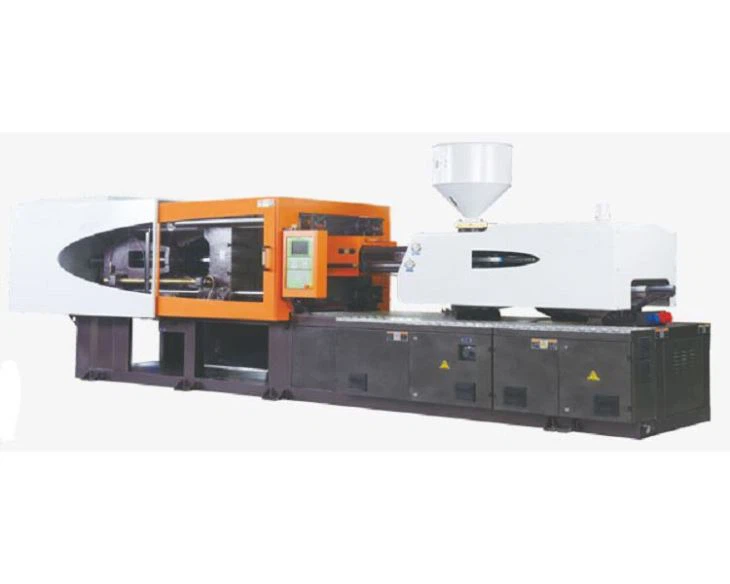

As an Injection Machine supplier, we are committed to helping our customers make the best choices for their equipment. If you have any questions or need further assistance in selecting the appropriate lubricant for your injection machine, please do not hesitate to contact us. We look forward to discussing your specific requirements and guiding you through the procurement process.
References
- "Handbook of Lubrication and Tribology, Volume II: Application and Maintenance" by Bhushan, Bharat.
- "Injection Molding Handbook" by Rosato, Dominic V., Rosato, David V., and Rosato, Michael G.
- Technical literature from leading lubricant manufacturers.