

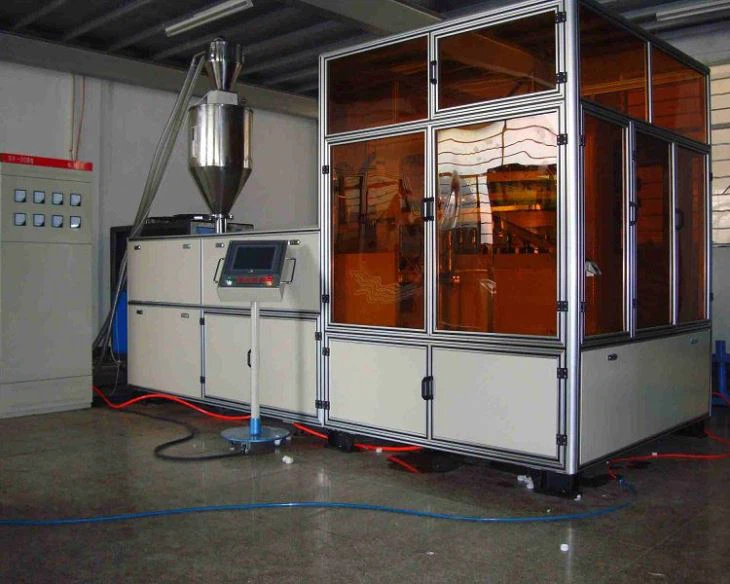
Cap compression molding machines are essential equipment in the plastic cap manufacturing industry. As a supplier of cap compression molding machines, I have encountered various common problems during my years of experience. In this blog, I will discuss these problems and provide effective solutions to help you keep your machines running smoothly.
1. Uneven Cap Thickness
One of the most common issues with cap compression molding machines is the production of caps with uneven thickness. This problem can lead to caps that do not fit properly on bottles, affecting the overall quality of the product.
Causes
- Inconsistent Material Feeding: If the plastic material is not fed into the mold cavity evenly, it can result in uneven cap thickness. This could be due to a clogged hopper, a malfunctioning feeder, or improper material flow control.
- Mold Wear and Tear: Over time, the mold can wear out, causing variations in the cap thickness. Uneven wear on the mold surfaces can lead to inconsistent pressure distribution during the compression process.
- Incorrect Compression Pressure: If the compression pressure is not set correctly, it can cause the plastic to flow unevenly in the mold, resulting in uneven cap thickness.
Solutions
- Check and Clean the Feeding System: Regularly inspect the hopper and feeder to ensure that they are clean and free from blockages. Adjust the material flow control settings to ensure consistent feeding.
- Inspect and Maintain the Mold: Periodically check the mold for signs of wear and tear. If necessary, repair or replace the mold to ensure uniform pressure distribution.
- Optimize the Compression Pressure: Conduct tests to determine the optimal compression pressure for your specific plastic material and cap design. Adjust the pressure settings accordingly to ensure even cap thickness.
2. Poor Cap Appearance
Another common problem is the production of caps with a poor appearance, such as surface defects, scratches, or discoloration. This can significantly reduce the marketability of the caps.
Causes
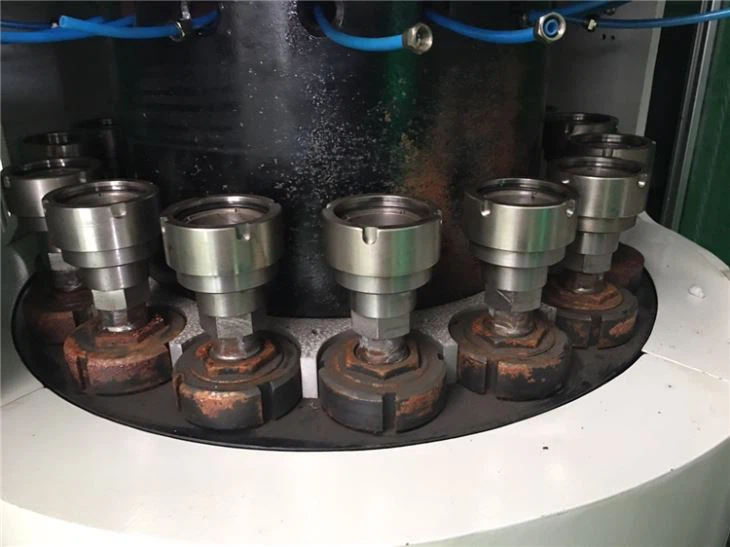
- Mold Surface Contamination: Dirt, dust, or residual plastic on the mold surface can transfer to the cap during the molding process, causing surface defects.
- Incorrect Temperature Settings: If the mold temperature is too high or too low, it can affect the plastic's flow and cooling properties, leading to surface defects.
- Improper Plastic Material Selection: Using low-quality or incompatible plastic materials can result in poor cap appearance. Some plastics may be more prone to discoloration or surface defects.
Solutions
- Clean the Mold Surface Regularly: Use appropriate cleaning agents and tools to clean the mold surface after each production run. Ensure that the mold is completely dry before the next cycle.
- Adjust the Temperature Settings: Monitor and control the mold temperature carefully. Adjust the temperature settings based on the plastic material's specifications to ensure proper flow and cooling.
- Select High-Quality Plastic Materials: Choose plastic materials that are suitable for cap molding and have good appearance properties. Consult with your material supplier for recommendations.
3. Cap Sticking to the Mold
Caps sticking to the mold can cause production delays and damage to the caps and the mold. This problem is often caused by improper mold release or incorrect processing conditions.
Causes
- Insufficient Mold Release Agent: If the mold release agent is not applied correctly or in sufficient quantity, it can cause the cap to stick to the mold.
- High Mold Temperature: Excessive mold temperature can cause the plastic to adhere to the mold surface more strongly, making it difficult to eject the cap.
- Rough Mold Surface: A rough or damaged mold surface can increase the friction between the cap and the mold, leading to sticking.
Solutions
- Apply the Right Amount of Mold Release Agent: Follow the manufacturer's instructions to apply the mold release agent evenly on the mold surface. Use a high-quality release agent that is suitable for your plastic material.
- Control the Mold Temperature: Keep the mold temperature within the recommended range. Use cooling systems if necessary to prevent overheating.
- Polish the Mold Surface: If the mold surface is rough, polish it to reduce friction. This can help prevent the cap from sticking to the mold.
4. Low Production Efficiency
Low production efficiency can significantly impact the profitability of your cap manufacturing operation. This can be caused by various factors, such as long cycle times, frequent machine breakdowns, or inefficient mold changes.
Causes
- Long Cycle Times: Inefficient machine settings, such as slow heating or cooling times, can increase the cycle time per cap.
- Machine Breakdowns: Frequent breakdowns due to mechanical failures, electrical problems, or hydraulic issues can disrupt the production process and reduce efficiency.
- Inefficient Mold Changes: Time-consuming mold change procedures can lead to significant production downtime.
Solutions
- Optimize the Machine Settings: Analyze the machine settings and make adjustments to reduce the cycle time. For example, you can increase the heating and cooling rates without compromising the cap quality.
- Implement Preventive Maintenance: Develop a regular maintenance schedule to prevent machine breakdowns. Conduct routine inspections, lubrication, and component replacements as needed.
- Streamline the Mold Change Process: Design a standardized mold change procedure and train your operators to perform it efficiently. Use quick-change mold systems to reduce the downtime during mold changes.
5. Noise and Vibration
Excessive noise and vibration during the operation of the cap compression molding machine can not only be a nuisance but also indicate potential mechanical problems.
Causes
- Loose Components: Loose bolts, nuts, or other components can cause vibrations and noise during machine operation.
- Imbalanced Rotating Parts: Imbalanced flywheels, motors, or other rotating parts can generate excessive vibrations.
- Worn Bearings: Worn bearings can cause increased friction and noise, as well as vibrations.
Solutions
- Tighten Loose Components: Regularly inspect the machine for loose components and tighten them as needed.
- Balance Rotating Parts: Have the rotating parts balanced by a professional to reduce vibrations.
- Replace Worn Bearings: If you notice excessive noise or vibrations, check the bearings for wear. Replace the worn bearings promptly to prevent further damage.
Conclusion
As a supplier of cap compression molding machines, I understand the importance of keeping your machines in optimal condition. By being aware of the common problems and their solutions, you can minimize downtime, improve product quality, and increase production efficiency.
If you are interested in our High Speed Hydraulic Plastic Cap Compression Molding Machine, Plastic Cap Compression Molding Machine for Water Lids, or Hydraulic Plastic Sode Cap Compression Molding Machine, please feel free to contact us for more information and to discuss your specific requirements. We are committed to providing you with high-quality machines and excellent after-sales service.
References
- "Plastic Molding Technology Handbook"
- "Cap Manufacturing Best Practices"