

As a supplier of Cap Compression Molding Machines, I often receive inquiries from customers about the energy consumption of these machines. Understanding the energy consumption of a Cap Compression Molding Machine is crucial for businesses aiming to optimize their production processes, reduce operational costs, and minimize their environmental impact. In this blog post, I'll delve into the factors that influence the energy consumption of these machines and provide insights to help you make informed decisions.
Understanding Cap Compression Molding Machines
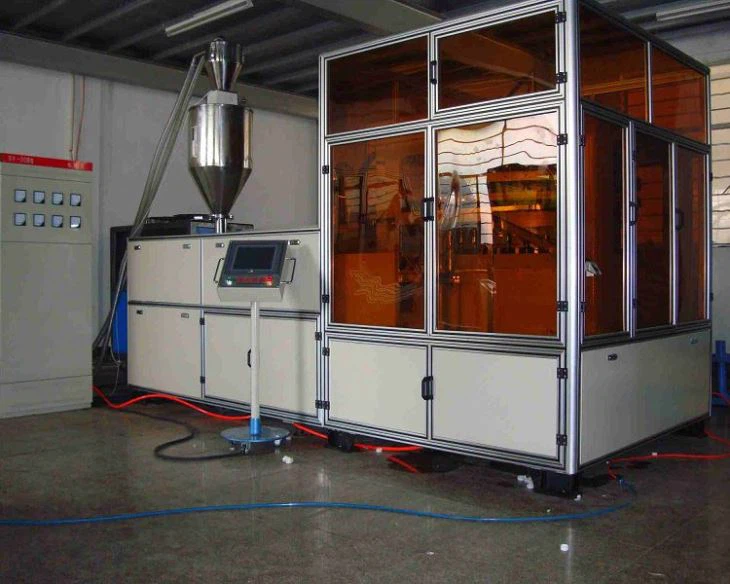
Cap Compression Molding Machines are specialized equipment used in the manufacturing of plastic caps for various industries, including food and beverage, pharmaceuticals, and cosmetics. These machines work by compressing plastic material into a mold cavity to form the desired cap shape. There are different types of Cap Compression Molding Machines available in the market, each with its own features and energy requirements. For instance, the Hydraulic Plastic Sode Cap Compression Molding Machine utilizes hydraulic power to drive the compression process, while the High Speed Plastic Cap Compression Molding Machine is designed for high-volume production with enhanced speed. The High Speed Hydraulic Plastic Cap Compression Molding Machine combines the advantages of high speed and hydraulic power.
Factors Affecting Energy Consumption
Machine Design and Technology
The design and technology of a Cap Compression Molding Machine play a significant role in determining its energy consumption. Modern machines are often equipped with advanced features such as energy-efficient motors, intelligent control systems, and optimized hydraulic circuits. These features help to reduce energy waste and improve overall efficiency. For example, machines with variable frequency drives (VFDs) can adjust the motor speed according to the actual production requirements, thereby saving energy during periods of low demand. On the other hand, older or poorly designed machines may consume more energy due to inefficient components and outdated technology.
Production Volume and Speed
The production volume and speed of a Cap Compression Molding Machine are directly related to its energy consumption. Higher production volumes and speeds generally require more energy to operate the machine. When a machine is running at full capacity, it needs to supply sufficient power to drive the compression process, heat the plastic material, and perform other functions. However, it's important to note that some high-speed machines are designed to be more energy-efficient by using advanced technologies to optimize the production process. For example, a well-designed high-speed machine may be able to produce more caps per unit of energy compared to a slower machine.
Plastic Material Properties
The properties of the plastic material used in the molding process also affect the energy consumption of the machine. Different types of plastics have different melting points, viscosities, and flow characteristics. Materials with higher melting points require more energy to heat and melt, while materials with higher viscosities may require more force to compress into the mold cavity. Additionally, the quality and consistency of the plastic material can also impact the energy efficiency of the machine. For example, using recycled or lower-quality plastics may require more energy to achieve the desired cap quality.

Operating Conditions
The operating conditions of a Cap Compression Molding Machine, such as the ambient temperature, humidity, and ventilation, can also influence its energy consumption. Extreme temperatures or high humidity levels can affect the performance of the machine's components and increase the energy required to maintain optimal operating conditions. Proper ventilation is also essential to remove heat generated during the molding process, as excessive heat can lead to energy waste and reduced machine efficiency.
Measuring and Monitoring Energy Consumption
To effectively manage the energy consumption of a Cap Compression Molding Machine, it's important to measure and monitor its energy usage. Most modern machines are equipped with energy meters or sensors that can provide real-time data on the energy consumption. This data can be used to analyze the machine's energy efficiency, identify areas for improvement, and implement energy-saving measures. Additionally, some machines may be connected to a central monitoring system that allows operators to remotely monitor and control the energy consumption.
Strategies to Reduce Energy Consumption
Optimize Machine Settings
One of the simplest ways to reduce the energy consumption of a Cap Compression Molding Machine is to optimize its settings. This includes adjusting the temperature, pressure, and cycle time to ensure that the machine is operating at its most efficient level. For example, reducing the heating temperature of the plastic material within the acceptable range can significantly reduce energy consumption. Similarly, optimizing the cycle time can increase the production efficiency and reduce the overall energy usage.
Regular Maintenance
Regular maintenance is crucial for ensuring the efficient operation of a Cap Compression Molding Machine and reducing its energy consumption. This includes cleaning and lubricating the machine's components, checking and replacing worn-out parts, and calibrating the sensors and controls. A well-maintained machine is less likely to experience breakdowns and malfunctions, which can lead to increased energy consumption. Additionally, regular maintenance can help to identify and address any energy-saving opportunities, such as improving the insulation of the heating elements or optimizing the hydraulic system.
Upgrade to Energy-Efficient Equipment
If your existing Cap Compression Molding Machine is outdated or inefficient, upgrading to a newer, energy-efficient model can be a cost-effective solution in the long run. Newer machines are often designed with advanced technologies and features that can significantly reduce energy consumption. For example, upgrading to a machine with a VFD or an intelligent control system can result in substantial energy savings. Additionally, some manufacturers offer energy-efficient retrofit kits that can be installed on existing machines to improve their energy performance.
Use Energy Management Systems
Implementing an energy management system can help to further reduce the energy consumption of a Cap Compression Molding Machine. An energy management system can monitor and control the energy usage of the machine, as well as other equipment in the production facility. It can also provide real-time data and analysis to help operators make informed decisions about energy conservation. For example, an energy management system can automatically adjust the machine's settings based on the production demand and energy prices, or it can provide alerts when the energy consumption exceeds a certain threshold.
Conclusion
The energy consumption of a Cap Compression Molding Machine is influenced by a variety of factors, including machine design, production volume, plastic material properties, and operating conditions. By understanding these factors and implementing appropriate energy-saving strategies, businesses can reduce the energy consumption of their machines, lower their operational costs, and contribute to a more sustainable environment. As a supplier of Cap Compression Molding Machines, we are committed to providing our customers with energy-efficient solutions and helping them optimize their production processes. If you're interested in learning more about our products or discussing your specific energy-saving needs, please feel free to contact us for a procurement discussion.
References
- "Energy Efficiency in Plastic Processing Machinery" - Plastics Technology Magazine
- "Optimizing the Energy Consumption of Molding Machines" - Society of Plastics Engineers