

What is the wear rate of the molds in a Cap Compression Molding Machine?
As a supplier of Cap Compression Molding Machines, I've encountered numerous inquiries regarding the wear rate of molds in these machines. Understanding this aspect is crucial for manufacturers aiming to optimize production efficiency, reduce costs, and ensure consistent product quality. In this blog, I'll delve into the factors influencing mold wear rate, how to measure it, and strategies to mitigate excessive wear.
Factors Affecting Mold Wear Rate
Material of the Mold
The choice of mold material plays a pivotal role in determining its wear rate. High - quality tool steels, such as D2 or H13, are commonly used in cap compression molding due to their excellent hardness, toughness, and resistance to wear. These materials can withstand the high pressures and temperatures involved in the compression molding process. However, if a lower - grade material is used, the mold will wear out much faster. For instance, a mold made from a soft steel alloy may start to show signs of wear after a few thousand cycles, while a well - made D2 steel mold can last for hundreds of thousands of cycles under normal operating conditions.
Type of Plastic Resin
Different plastic resins have varying degrees of abrasiveness. For example, filled plastics, which contain additives like glass fibers or minerals, are more abrasive than unfilled resins. When molding caps with filled plastics in a Hydraulic Plastic Sode Cap Compression Molding Machine, the mold is subjected to greater wear because the fillers act like tiny cutting tools, gradually eroding the mold surface. On the other hand, unfilled polypropylene or polyethylene resins are less abrasive and cause less wear on the molds.
Operating Conditions
The operating conditions of the cap compression molding machine also significantly impact mold wear. High molding pressures and temperatures can accelerate wear. If the machine is set to operate at extremely high pressures to achieve a certain cap density, the mold will experience more stress, leading to faster wear. Similarly, high temperatures can cause the mold material to expand and contract, which may result in fatigue and cracking over time. Additionally, the cycle time of the machine matters. A shorter cycle time means more frequent operations, which can increase the wear rate.
Design of the Mold
The design of the mold itself can affect its wear rate. Complex mold designs with intricate shapes and undercuts are more prone to wear because the plastic resin has to flow through narrow channels and around sharp corners. This can cause uneven wear on the mold surface. A well - designed mold with smooth contours and proper venting can reduce the wear rate by allowing the plastic to flow more evenly and reducing the stress on the mold.
Measuring the Wear Rate of Molds
Measuring the wear rate of molds in a cap compression molding machine is essential for predicting maintenance schedules and estimating the lifespan of the molds. One common method is to measure the dimensional changes of the mold over time. This can be done using precision measuring tools such as calipers or coordinate measuring machines (CMMs). By regularly measuring critical dimensions of the mold, such as the diameter of the cap cavity or the height of the mold features, manufacturers can detect any changes that indicate wear.
Another approach is to use non - destructive testing methods, such as ultrasonic testing or eddy - current testing. These methods can detect internal defects or changes in the material properties of the mold, which may be early signs of wear. For example, ultrasonic testing can identify cracks or voids in the mold that are not visible on the surface.
In addition to these methods, manufacturers can also keep track of the number of molding cycles. By correlating the number of cycles with the observed wear, they can establish a wear rate curve for each type of mold. This curve can be used to predict when the mold will need to be replaced or refurbished.
Strategies to Mitigate Mold Wear
Proper Mold Maintenance
Regular maintenance is key to reducing mold wear. This includes cleaning the mold after each production run to remove any residual plastic or debris. A clean mold not only reduces wear but also ensures consistent product quality. Lubrication of the moving parts of the mold, such as the ejector pins, is also important. Proper lubrication reduces friction and wear, extending the life of the mold.

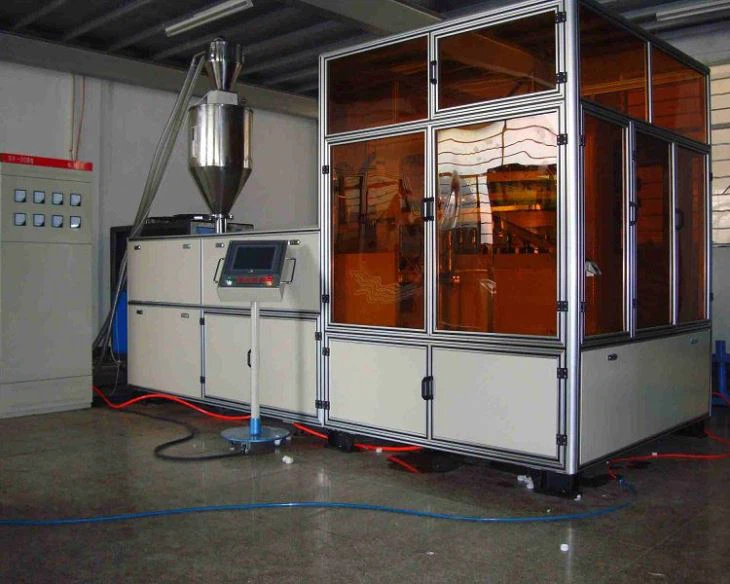
Optimal Machine Settings
Adjusting the machine settings to the optimal values can significantly reduce mold wear. This involves finding the right balance between pressure, temperature, and cycle time. For example, using a High Speed Hydraulic Plastic Cap Compression Molding Machine, manufacturers should set the pressure and temperature based on the type of plastic resin being used. By avoiding excessive pressures and temperatures, the stress on the mold can be minimized.
Surface Treatments
Applying surface treatments to the mold can enhance its wear resistance. Hard chrome plating is a common surface treatment that can increase the hardness and smoothness of the mold surface. This reduces friction and wear when the plastic resin flows over the mold. Other surface treatments, such as nitriding or PVD (Physical Vapor Deposition) coating, can also improve the wear resistance of the mold.
Quality Control of Plastic Resins
Ensuring the quality of the plastic resins used in the molding process is crucial. Contaminated or low - quality resins can cause more wear on the molds. Manufacturers should source resins from reliable suppliers and perform quality checks before using them in production. This can help to prevent abrasive particles or impurities from damaging the mold.
Conclusion
The wear rate of molds in a cap compression molding machine is influenced by multiple factors, including the mold material, type of plastic resin, operating conditions, and mold design. By understanding these factors and implementing appropriate strategies, manufacturers can effectively manage mold wear, reduce costs, and improve production efficiency.
If you are in the market for a high - quality cap compression molding machine or need more information on mold wear and maintenance, we are here to help. Our High Speed Plastic Cap Compression Molding Machine is designed to provide reliable performance and long - lasting mold life. Contact us today to discuss your specific requirements and start a fruitful business partnership.
References
- Callister, W. D., & Rethwisch, D. G. (2018). Materials Science and Engineering: An Introduction. Wiley.
- Throne, J. L. (2017). Plastics Mold Engineering Handbook. CRC Press.