

In the realm of plastic manufacturing, producing high - quality PET preforms in mass production is a challenging yet crucial task. As a supplier of Injection Machinery For Pet Preforms, I understand the intricacies involved in ensuring the consistency of these preforms. This blog will delve into the key factors and strategies to achieve consistent results in the mass production of PET preforms using injection machinery.
1. Machine Selection and Setup
The first step towards ensuring consistency in PET preform production is the right choice of injection machinery. We offer a range of machines tailored to different production needs, such as the Customer Design PET Preform Injection Molding Machine. This machine allows for customized designs, which is essential when different clients have unique requirements for their PET preforms.

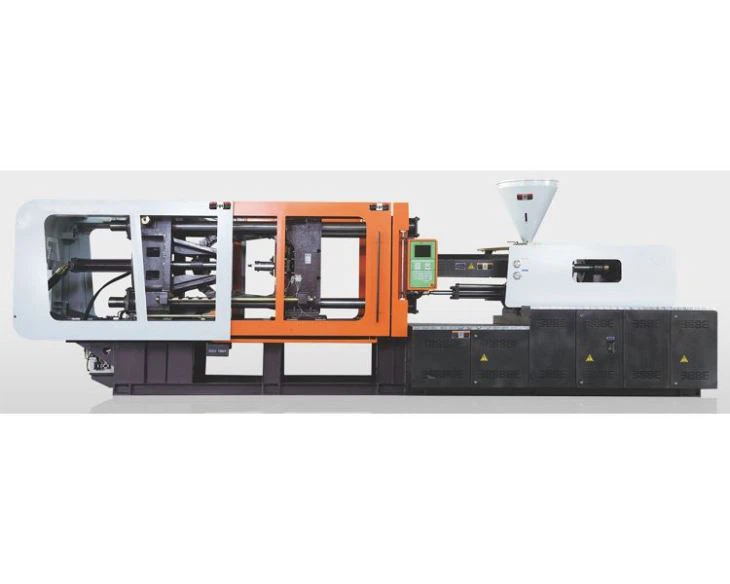
When setting up the machine, precise calibration is of utmost importance. The injection unit must be calibrated to deliver the exact amount of molten PET resin into the mold cavity each time. Any variation in the injection volume can lead to differences in the weight and dimensions of the preforms. The clamping force also needs to be set accurately. Insufficient clamping force may cause flash on the preforms, while excessive force can damage the mold.
Another critical aspect of machine setup is the temperature control. PET resin has a specific processing temperature range. The barrel temperature should be maintained within this range to ensure proper melting and flow of the resin. The mold temperature also plays a vital role. A consistent mold temperature helps in uniform cooling of the preforms, reducing the chances of warping or internal stresses. Our SERVO MOTOR PET Preform Plastic Injection Molding Machine is equipped with advanced temperature control systems that can maintain precise temperatures throughout the production process.
2. Resin Quality and Handling
The quality of the PET resin used is a fundamental factor in achieving consistent preforms. High - quality resin with uniform properties, such as viscosity and molecular weight, is essential. Before using the resin, it should be properly dried. PET resin has a high affinity for moisture, and even a small amount of moisture can cause defects in the preforms, such as bubbles or streaks.
Resin handling also matters. The resin should be stored in a dry and clean environment to prevent contamination. During the feeding process, the resin should be fed smoothly into the hopper of the injection machine. Any blockages or irregularities in the feeding system can lead to inconsistent resin supply, resulting in inconsistent preforms.
3. Mold Design and Maintenance
A well - designed mold is the cornerstone of consistent PET preform production. The mold should have a balanced runner system to ensure that the molten resin flows evenly into all the cavities. Uneven flow can cause differences in the filling time and pressure in each cavity, leading to variations in the preform quality.
The mold should also be made of high - quality materials with good heat transfer properties. This helps in uniform cooling of the preforms. Regular mold maintenance is necessary to keep it in optimal condition. Over time, the mold may wear out, and the surface finish may deteriorate. This can affect the appearance and dimensions of the preforms. Cleaning the mold regularly, checking for any signs of wear and tear, and replacing worn - out parts promptly are essential steps in mold maintenance. Our Plastic Injection Moulding Machine is designed to work seamlessly with well - maintained molds to ensure consistent preform production.
4. Process Monitoring and Control
Continuous monitoring of the injection molding process is crucial for ensuring consistency. Modern injection machines are equipped with sensors that can measure various parameters such as temperature, pressure, and injection speed. These sensors provide real - time data, which can be used to detect any deviations from the set values.
By using a process control system, operators can adjust the machine settings automatically or manually to correct any deviations. For example, if the pressure in the mold cavity is too low, the injection speed can be increased to ensure proper filling. Statistical process control (SPC) techniques can also be applied. SPC involves collecting and analyzing data from the production process to identify trends and patterns. This helps in predicting potential quality issues and taking preventive measures.
5. Operator Training
Even with the best machines and processes, the role of the operator cannot be underestimated. Well - trained operators are essential for consistent preform production. Operators should be familiar with the operation of the injection machine, including how to set up the machine, monitor the process, and troubleshoot common problems.
They should also understand the importance of following standard operating procedures (SOPs). SOPs provide a set of guidelines for every step of the production process, from resin handling to mold maintenance. By adhering to these procedures, operators can minimize the chances of human error, which can lead to inconsistent preforms.
6. Quality Assurance and Testing
Implementing a comprehensive quality assurance program is necessary to ensure the consistency of PET preforms. Regular sampling and testing of the preforms are required. The preforms should be tested for various properties, such as weight, dimensions, wall thickness, and visual appearance.
Dimensional accuracy is particularly important, as it directly affects the performance of the preforms in the subsequent blow - molding process. Non - destructive testing methods, such as ultrasonic testing, can be used to detect internal defects in the preforms. By analyzing the test results, any trends or patterns of inconsistency can be identified, and corrective actions can be taken.
Conclusion
Ensuring the consistency of PET preforms in mass production with injection machinery is a multi - faceted challenge that requires attention to every aspect of the production process. From machine selection and setup to resin quality, mold design, process monitoring, operator training, and quality assurance, each step plays a crucial role.
As a supplier of Injection Machinery For Pet Preforms, we are committed to providing high - quality machines and solutions to help our customers achieve consistent preform production. If you are looking for reliable injection machinery for your PET preform production needs, we invite you to contact us for further discussions and potential procurement. We are ready to offer our expertise and support to ensure the success of your production operations.
References
- Beckmann, P. S. (2018). Injection Molding Handbook. Hanser Publishers.
- Rosato, D. V., & Rosato, D. P. (2011). Injection Molding Technology. Kluwer Academic Publishers.
- Strong, A. B. (2008). Plastics: Materials and Processing. Pearson Prentice Hall.