

In the realm of plastic manufacturing, the production of PET preforms stands as a pivotal process. As a leading supplier of Injection Machinery For Pet Preforms, I understand the significance of minimizing waste rates in this production line. High waste rates not only lead to increased costs but also have a negative impact on the environment. In this blog, I will share some effective strategies that can help reduce the waste rate of injection machinery for PET preforms.
1. Machine Maintenance and Calibration
Regular maintenance is the cornerstone of efficient machinery operation. For PET preform injection machines, this means conducting routine checks on all components, including the heating elements, screws, barrels, and molds. Worn - out parts can lead to inconsistent plastic melting, uneven filling of the molds, and ultimately, defective preforms.

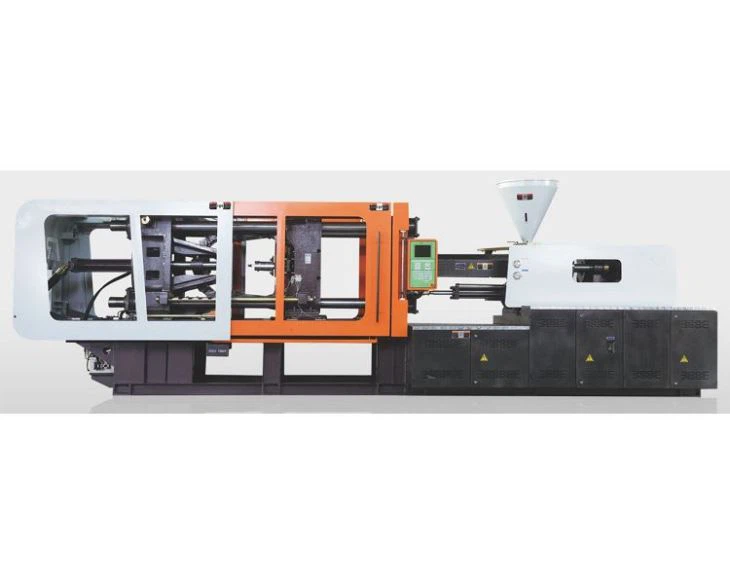
Calibration is equally important. The injection pressure, temperature, and speed need to be precisely calibrated according to the specifications of the PET resin being used and the design of the preform. Incorrect settings can cause issues such as short - shots (incomplete filling of the mold), flash (excess plastic around the edges of the preform), or over - packing (excessive plastic in the preform).
For instance, if the temperature of the heating zone is too low, the PET resin may not melt properly, resulting in a non - uniform preform structure. On the other hand, if the injection pressure is too high, it can cause flash. By regularly maintaining and calibrating the machine, we can ensure that it operates at its optimal level, reducing the likelihood of producing defective preforms.
2. Quality Control of Raw Materials
The quality of the PET resin used in the injection molding process has a direct impact on the waste rate. Low - quality resin may contain impurities, have inconsistent molecular weight, or improper moisture content. These factors can lead to various defects in the preforms.
Before using any batch of PET resin, it is essential to conduct thorough quality checks. This includes testing the moisture content, as excessive moisture can cause hydrolysis of the PET during the melting process, leading to brittleness and other defects in the preforms. The resin should also be inspected for any visible impurities.
Moreover, it is advisable to source PET resin from reliable suppliers. Working with trusted suppliers can ensure a consistent supply of high - quality resin, which in turn reduces the waste rate. For example, a resin with a consistent molecular weight will flow more evenly during the injection process, resulting in more uniform preforms.
3. Optimization of Mold Design
The design of the mold plays a crucial role in the production of PET preforms. A well - designed mold can ensure even distribution of the molten plastic, proper cooling, and easy ejection of the preforms.
The gate design, for example, is of great importance. The gate is the point through which the molten plastic enters the mold cavity. If the gate is too small, it can cause high shear stress on the plastic, leading to degradation and defects in the preform. If it is too large, it can result in excessive plastic flow and flash.
The cooling system in the mold also needs to be optimized. Uneven cooling can cause warping and dimensional inaccuracies in the preforms. By using advanced cooling channels and proper placement of cooling lines, we can ensure that the preforms cool evenly and quickly, reducing the cycle time and improving the quality of the preforms.
Our company offers a range of high - quality molds for PET preform injection. You can check out our Customer Design PET Preform Injection Molding Machine which can be customized according to your specific mold design requirements.
4. Operator Training
Well - trained operators are an invaluable asset in reducing the waste rate of PET preform injection machinery. Operators should be familiar with the operation of the machine, including how to set the correct parameters, how to detect and troubleshoot common problems, and how to perform basic maintenance tasks.
Training programs should cover topics such as machine safety, process control, and quality inspection. For example, operators should be able to identify the signs of a defective preform, such as cracks, bubbles, or uneven wall thickness, and take appropriate measures to correct the problem.
By investing in operator training, we can ensure that the machines are operated correctly, reducing the likelihood of human - error - induced waste. Our company provides comprehensive training programs for operators of our Automatic PET Bottle Preform Injection Moulding Machine, enabling them to maximize the efficiency of the machine and minimize waste.
5. Process Monitoring and Data Analysis
Implementing a real - time process monitoring system can provide valuable insights into the injection molding process. Sensors can be installed on the machine to monitor parameters such as temperature, pressure, and flow rate. By continuously collecting and analyzing this data, we can detect any deviations from the normal operating conditions and take corrective actions promptly.
For example, if the pressure sensor indicates a sudden drop in injection pressure, it could be a sign of a blockage in the injection system or a problem with the mold. By being alerted to this issue in real - time, operators can stop the production process and address the problem before a large number of defective preforms are produced.
Data analysis can also help in identifying trends and patterns in the production process. By analyzing historical data, we can determine the root causes of recurring problems and implement long - term solutions to reduce the waste rate. Our SERVO MOTOR PET Preform Plastic Injection Molding Machine is equipped with advanced monitoring and data analysis capabilities, allowing for more precise control of the injection molding process.
6. Recycling and Reuse
Despite our best efforts to reduce waste, there will still be some defective preforms produced. Instead of discarding these defective products, they can be recycled and reused.
The recycling process for PET preforms involves grinding the defective preforms into small pellets and then re - processing them into new preforms. However, it is important to note that the recycled PET resin may have slightly different properties compared to the virgin resin. Therefore, it is necessary to carefully control the proportion of recycled resin in the new batch to ensure the quality of the preforms.
By implementing an effective recycling and reuse program, we can not only reduce the waste rate but also lower the production costs. This is a win - win situation for both the environment and the business.
Conclusion
Reducing the waste rate of injection machinery for PET preforms is a multi - faceted challenge that requires a comprehensive approach. By focusing on machine maintenance and calibration, quality control of raw materials, optimization of mold design, operator training, process monitoring and data analysis, and recycling and reuse, we can significantly reduce the waste rate and improve the overall efficiency of the production process.
As a supplier of Injection Machinery For Pet Preforms, we are committed to providing our customers with high - quality machines and solutions to help them achieve their waste reduction goals. If you are interested in learning more about our products or have any questions regarding waste reduction in PET preform production, please feel free to contact us for further discussions and potential procurement opportunities.
References
- "Injection Molding Handbook" by O. Olszewski
- "Plastic Materials and Processes: A Concise Encyclopedia" by Donald V. Rosato and Dominick V. Rosato
- Research papers on PET preform injection molding from industry - leading journals such as "Plastics Engineering" and "Journal of Applied Polymer Science"