

Selecting the right lubricant for a plastic injection moulding machine is a critical decision that can significantly impact the machine's performance, longevity, and the quality of the produced plastic parts. As a supplier of Plastic Injection Moulding Machine, I have witnessed firsthand the importance of using the appropriate lubricant. In this blog, I will share some key considerations and guidelines to help you make an informed choice.

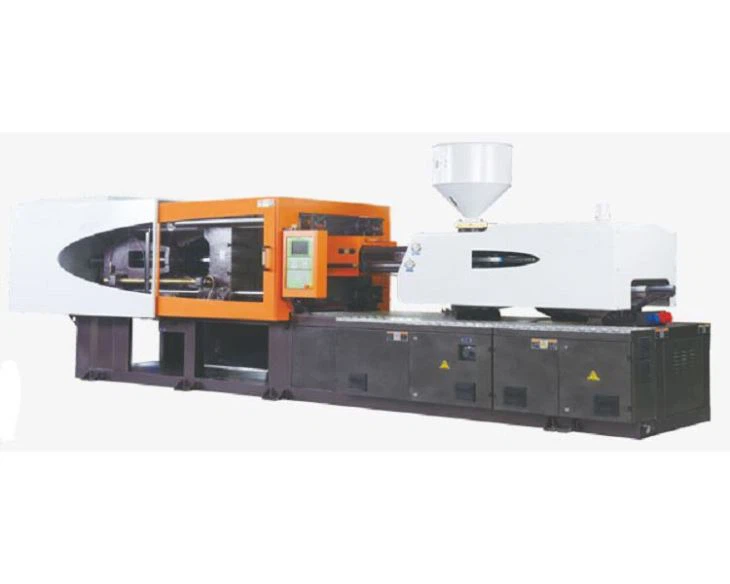
Understanding the Role of Lubricants in Plastic Injection Moulding Machines
Lubricants play several crucial roles in plastic injection moulding machines. Firstly, they reduce friction between moving parts, such as the screw, barrel, and clamping unit. This not only minimizes wear and tear but also improves the machine's energy efficiency by reducing the amount of power required to operate. Secondly, lubricants help to dissipate heat generated during the high - speed operation of the machine. Excessive heat can damage components and affect the quality of the plastic parts, so effective heat dissipation is essential. Thirdly, lubricants can prevent corrosion and rust on metal parts, especially in environments where humidity or chemicals may be present.
Factors to Consider When Selecting a Lubricant
Compatibility with Machine Materials
One of the most important factors is the compatibility of the lubricant with the materials used in the plastic injection moulding machine. Different machines may have components made of various metals, plastics, and elastomers. For example, some lubricants may react with certain types of plastics or elastomers, causing swelling, degradation, or loss of mechanical properties. It is crucial to consult the machine's manual or the manufacturer to determine the recommended lubricant compatibility. In general, high - quality synthetic lubricants are often more compatible with a wide range of materials compared to mineral - based lubricants.
Operating Conditions
The operating conditions of the plastic injection moulding machine also have a significant impact on lubricant selection. Consider the temperature, pressure, and speed at which the machine operates. High - temperature applications require lubricants with good thermal stability to prevent oxidation and breakdown. For machines operating at high pressures, lubricants with high load - carrying capacity are necessary to ensure proper lubrication between moving parts. Additionally, if the machine operates at high speeds, the lubricant should have low viscosity to reduce drag and improve efficiency.
Type of Plastic Being Processed
The type of plastic being processed can also influence lubricant selection. Some plastics, such as polycarbonate and polypropylene, may require special lubricants to prevent sticking or contamination. For example, in the production of Automatic PET Bottle Preform Injection Moulding Machine, the lubricant should be selected to ensure that it does not interact with the PET material and cause any defects in the preforms. Certain lubricants may leave residues on the plastic parts, which can affect their appearance and performance. Therefore, it is important to choose a lubricant that is compatible with the specific plastic resin.
Lubrication Method
There are different lubrication methods used in plastic injection moulding machines, such as manual lubrication, automatic lubrication systems, and grease lubrication. The lubrication method can affect the type of lubricant required. For automatic lubrication systems, the lubricant should have good fluidity and be able to flow smoothly through the pipes and nozzles. Grease lubrication is suitable for components that require long - term lubrication and protection, but it may require more maintenance compared to oil - based lubricants.
Types of Lubricants for Plastic Injection Moulding Machines
Mineral - Based Lubricants
Mineral - based lubricants are derived from crude oil and are relatively inexpensive. They have good lubricating properties and are suitable for general - purpose applications. However, they may have limited thermal stability and compatibility with some materials. Mineral - based lubricants also tend to oxidize more quickly compared to synthetic lubricants, which can lead to the formation of sludge and deposits over time.
Synthetic Lubricants
Synthetic lubricants are engineered to have superior performance characteristics compared to mineral - based lubricants. They offer excellent thermal stability, oxidation resistance, and compatibility with a wide range of materials. Synthetic lubricants can also provide better protection against wear and corrosion, even under extreme operating conditions. Although they are generally more expensive than mineral - based lubricants, their long - term benefits often justify the higher cost.
Greases
Greases are a semi - solid lubricant that consists of a base oil and a thickening agent. They are commonly used for components that require long - term lubrication and protection, such as bearings and gears. Greases can stay in place better than oils, providing continuous lubrication even in high - vibration or high - shock applications. However, they may require more frequent maintenance to ensure proper distribution and prevent the build - up of excess grease.
Best Practices for Lubricant Use
Regular Maintenance and Inspection
Once you have selected the appropriate lubricant, it is important to establish a regular maintenance and inspection schedule. Check the lubricant level regularly and top up as needed. Inspect the lubrication system for any signs of leaks, blockages, or contamination. Replace the lubricant at the recommended intervals to ensure its effectiveness.
Training and Education
Ensure that the machine operators are properly trained in lubricant selection, application, and maintenance. They should understand the importance of using the right lubricant and following the recommended procedures. Training can also help operators identify any potential lubrication - related problems early on and take appropriate action.
Record - Keeping
Keep detailed records of the lubricant used, including the type, brand, date of application, and any maintenance activities. This information can be valuable for troubleshooting, warranty claims, and long - term machine performance analysis.
Conclusion
Selecting the right lubricant for a plastic injection moulding machine is a complex but essential task. By considering factors such as compatibility with machine materials, operating conditions, type of plastic being processed, and lubrication method, you can ensure that your machine operates efficiently, reliably, and produces high - quality plastic parts. As a supplier of Plastic Injection Moulding Machine and Injection Machinery for PET Preforms, we are committed to providing our customers with the best advice and support on lubricant selection. If you have any questions or need further assistance in choosing the right lubricant for your machine, please feel free to contact us for a procurement discussion.
References
- "Handbook of Lubrication and Tribology: Volume III: Application and Maintenance" by Bhushan, Bharat
- "Plastic Injection Molding Handbook" by Rosato, Dominic V.
- Manufacturer's manuals of plastic injection moulding machines.