

Hey there! As a supplier of injection machines, I've seen my fair share of malfunctions. It can be a real headache when your injection machine acts up, but don't worry – I'm here to walk you through how to troubleshoot those pesky issues.
First off, let's talk about some common problems you might encounter with an injection machine. One of the most frequent issues is the machine not starting up. This could be due to a variety of reasons. Maybe there's a problem with the power supply. Check if the power cord is properly plugged in and if the circuit breaker hasn't tripped. Sometimes, a simple power outage or a loose connection can cause the machine to not start.
Another possible culprit is a faulty control panel. The control panel is like the brain of the injection machine, and if it's not working correctly, the whole machine can malfunction. Look for any error messages on the control panel. These messages can give you a clue about what's going wrong. If there are no error messages but the machine still won't start, it could be a software issue. Try restarting the control panel by turning it off and on again. This simple step can sometimes fix minor glitches.
Now, let's say the machine starts up, but it's not injecting the plastic properly. This could be because of a clogged nozzle. The nozzle is where the molten plastic comes out, and if it gets blocked, the injection process won't work as it should. To check if the nozzle is clogged, you can look at the flow of plastic. If it's slow or uneven, there's a good chance the nozzle is blocked. You can try cleaning the nozzle using a special cleaning tool. Make sure to follow the manufacturer's instructions when doing this to avoid damaging the nozzle.
Another reason for improper injection could be a problem with the plasticizing unit. The plasticizing unit is responsible for melting the plastic. If it's not working correctly, the plastic might not be melted to the right consistency. Check the temperature settings of the plasticizing unit. If the temperature is too low, the plastic won't melt properly. On the other hand, if the temperature is too high, the plastic might degrade. Adjust the temperature settings according to the type of plastic you're using. You can find the recommended temperature range in the plastic's technical data sheet.
What if the machine is making strange noises? This is definitely a sign that something's wrong. Strange noises can come from different parts of the machine, such as the motor, the hydraulic system, or the mechanical components. If the noise is coming from the motor, it could be due to a worn-out bearing. A bearing is a small part that helps the motor rotate smoothly. Over time, bearings can wear out, causing the motor to make noise. You'll need to replace the bearing to fix this issue.
If the noise is coming from the hydraulic system, it could be because of a leak or a problem with the hydraulic pump. Check for any signs of hydraulic fluid leakage around the machine. If you see a puddle of fluid, there's definitely a leak. You'll need to find the source of the leak and repair it. A problem with the hydraulic pump could be due to a clogged filter or a worn-out pump component. Check the filter and replace it if it's dirty. If the problem persists, you might need to have the pump inspected by a professional.
When it comes to the mechanical components, strange noises could be a result of loose parts. Check all the bolts and nuts on the machine to make sure they're tightened properly. Loose parts can cause vibrations and noise, and they can also lead to more serious problems if not fixed.
Now, let's talk about some more advanced troubleshooting techniques. If you've tried all the basic steps and still can't figure out what's wrong with the machine, it might be time to use diagnostic tools. Many modern injection machines come with built-in diagnostic systems that can help you identify the problem. These systems can monitor the machine's performance and detect any abnormal conditions. You can access the diagnostic information through the control panel.
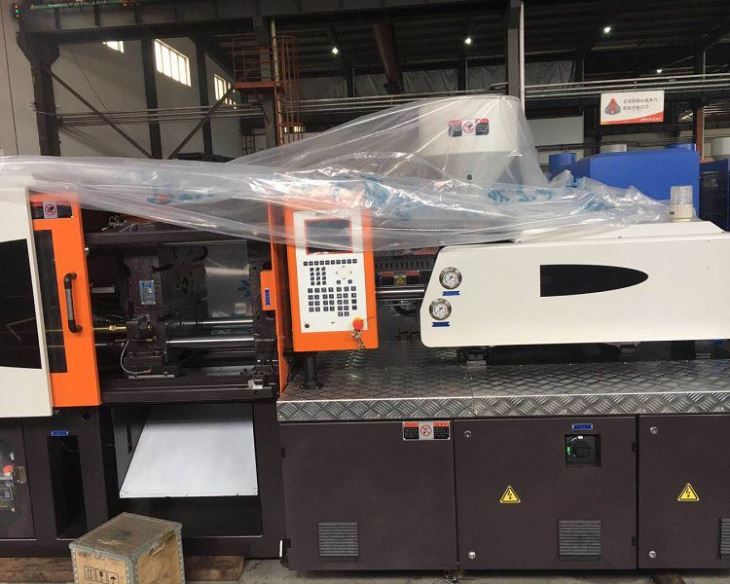

If your machine doesn't have a built-in diagnostic system, you can use external diagnostic tools. For example, you can use a vibration analyzer to check the vibration levels of the machine. Abnormal vibration levels can indicate a problem with the mechanical components. You can also use a temperature sensor to measure the temperature of different parts of the machine. This can help you identify if there are any overheating issues.
It's also a good idea to keep a maintenance log for your injection machine. In the log, you can record all the maintenance activities you've done, such as cleaning, lubricating, and replacing parts. You can also record any malfunctions and the steps you took to fix them. This log can be very useful when troubleshooting future problems. It can help you identify patterns and determine if there are any recurring issues.
As a supplier, I offer a wide range of injection machines, including the Automatic PET Bottle Preform Injection Moulding Machine, PET Plastics Injection Molding Machine, and Plastic Injection Moulding Machine. These machines are designed to be reliable and efficient, but like any piece of equipment, they can sometimes experience problems.
If you're facing any issues with your injection machine or if you're interested in purchasing a new one, don't hesitate to reach out. Our team of experts is always ready to help you with troubleshooting and provide you with the best solutions. We can also offer you professional advice on choosing the right injection machine for your specific needs.
In conclusion, troubleshooting an injection machine when it malfunctions can be a challenging task, but with the right knowledge and tools, you can usually identify and fix the problem. Remember to start with the basic steps, such as checking the power supply and looking for error messages. If you're still having trouble, don't be afraid to use diagnostic tools or consult a professional. And if you're in the market for a new injection machine, we've got you covered.
References
- Injection Molding Handbook, by O. Olafsson
- Plastics Processing: Principles and Applications, by J. Beaumont