

As a seasoned supplier of injection machines, I've witnessed firsthand the ebb and flow of technological trends in the industry. One such technology that has been a staple in the injection molding process is the cold runner system. In this blog post, I'll delve into the advantages and disadvantages of using a cold runner system in an injection machine, offering insights that can help you make an informed decision for your manufacturing needs.
Advantages of Using a Cold Runner System
1. Cost - Efficiency
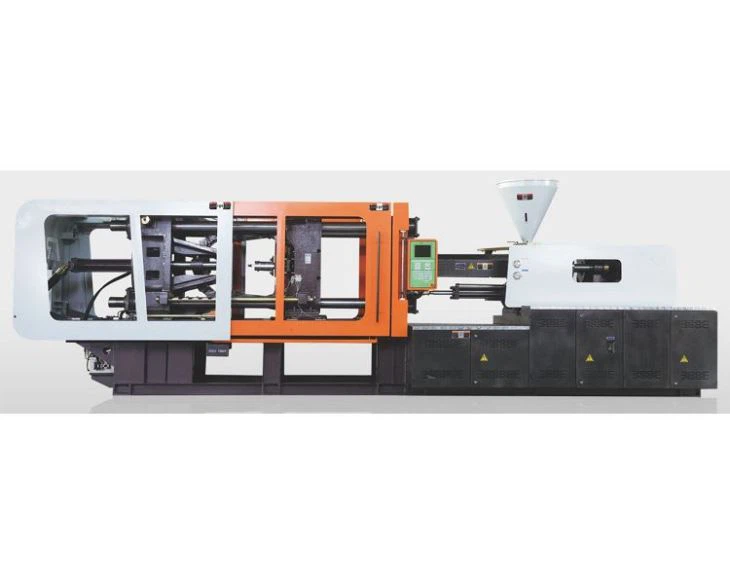
One of the most significant advantages of a cold runner system is its cost - effectiveness. In a cold runner setup, the plastic in the runner channels is not heated continuously. Once the injection process is complete, the plastic in the runner solidifies and can be removed as scrap. This scrap can often be reground and reused, reducing the overall material cost. For large - scale production, this can result in substantial savings over time. For instance, if you're using our Customer Design PET Preform Injection Molding Machine, the ability to reuse the runner scrap can significantly cut down on your raw material expenses.
2. Simplicity and Reliability
Cold runner systems are relatively simple in design compared to their hot runner counterparts. They consist of basic channels that allow the molten plastic to flow from the injection unit to the mold cavities. This simplicity translates into fewer components that can malfunction, leading to higher reliability. With fewer moving parts and a less complex heating and control system, maintenance requirements are also reduced. This is especially beneficial for smaller manufacturers or those with limited technical resources. Our Automatic Plastic Bottle Cap Injection Moulding Making Machine with a cold runner system is a prime example of a reliable and straightforward solution for plastic bottle cap production.
3. Compatibility with a Wide Range of Materials
Cold runner systems can work with a diverse range of plastic materials. Whether you're dealing with thermoplastics like polyethylene, polypropylene, or more specialized engineering plastics, a cold runner system can accommodate them. This flexibility is crucial for manufacturers who need to produce different types of products using various materials. For example, our Injection Machinery for PET Preforms with a cold runner system can handle PET (polyethylene terephthalate) effectively, which is widely used in the packaging industry.
4. Easy to Modify and Customize
The simplicity of cold runner systems makes them easy to modify and customize. If you need to change the layout of the runner channels to accommodate a new mold design or adjust the flow of plastic to different cavities, it can be done relatively quickly and inexpensively. This adaptability is a valuable asset for manufacturers who frequently update their product lines or need to make small - scale production runs.
Disadvantages of Using a Cold Runner System
1. Longer Cycle Times
One of the main drawbacks of cold runner systems is the longer cycle times. After each injection, the plastic in the runner channels needs to cool and solidify before the mold can be opened and the part ejected. This cooling process adds extra time to each molding cycle, reducing the overall production efficiency. In high - volume production environments, these additional seconds or minutes per cycle can accumulate into significant losses in productivity.
2. Waste Generation
Although the scrap from the runner can be reused, there is still some waste associated with cold runner systems. The process of regrinding and reusing the scrap requires additional equipment and energy, and there is always a limit to how many times the material can be recycled. Moreover, the regrind may have slightly different properties compared to the virgin material, which can affect the quality of the final product in some cases.
3. Potential for Flow Imbalances
In a cold runner system, achieving a balanced flow of plastic to all the mold cavities can be challenging. The cooling of the plastic in the runner channels can cause variations in viscosity, leading to uneven filling of the cavities. This can result in parts with inconsistent dimensions, strength, or appearance. Correcting these flow imbalances often requires careful design and adjustment of the runner system, which can be time - consuming and costly.
4. Limited Gate Design Options
Cold runner systems typically have more limited gate design options compared to hot runner systems. The gates need to be large enough to allow the plastic to flow easily, but if they are too large, they can leave visible marks on the part. This can be a problem for products where aesthetics are important, such as consumer goods or automotive components.
Conclusion
In conclusion, the cold runner system in an injection machine has its own set of advantages and disadvantages. The cost - efficiency, simplicity, compatibility with various materials, and ease of customization make it an attractive option for many manufacturers. However, the longer cycle times, waste generation, potential for flow imbalances, and limited gate design options are factors that need to be carefully considered.
If you're in the market for an injection machine and are weighing the pros and cons of a cold runner system, I encourage you to reach out to us. Our team of experts can provide you with detailed information, technical support, and guidance to help you choose the best solution for your specific manufacturing requirements. Whether you're looking for a machine for PET preform production, plastic bottle cap molding, or other applications, we have the expertise and product range to meet your needs. Contact us today to start a discussion about your injection molding project and explore the possibilities of working together.

References
- Rosato, D. V., & Rosato, D. V. (2000). Injection Molding Handbook. Kluwer Academic Publishers.
- Beaumont, J. P. (2008). Runner and Gating Design Handbook. Hanser Gardner Publications.