

Hey there! As a supplier of injection machines, I get a ton of questions from folks looking to pick the right machine for low - viscosity plastics. And let me tell you, it's not always a walk in the park. But don't worry, I'm here to break it down for you.
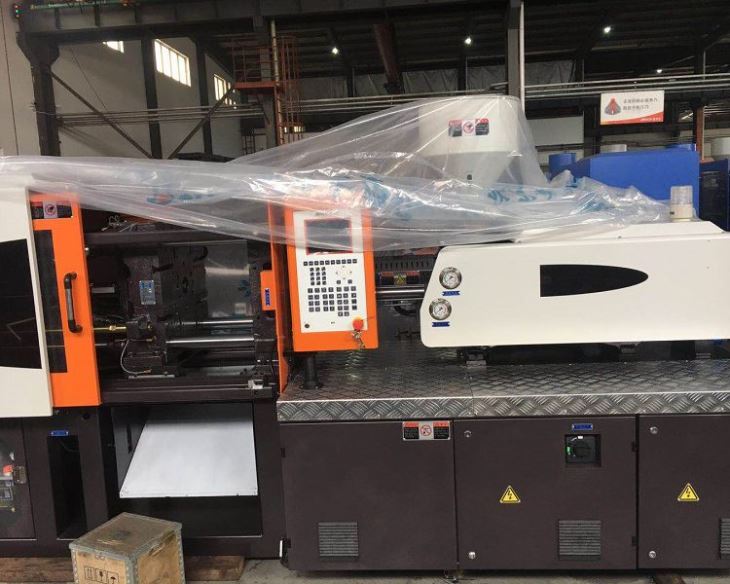

First things first, we need to understand what low - viscosity plastics are. Low - viscosity plastics are those that flow easily when heated. They're used in a whole bunch of applications, from making small, intricate parts to larger, more straightforward products. Think of things like medical devices, electronic components, and some packaging materials.
Now, when it comes to choosing the right injection machine for these plastics, there are several factors you need to take into account.
Plasticizing Capacity
One of the most important things is the plasticizing capacity of the machine. Plasticizing capacity refers to how much plastic the machine can melt and prepare for injection in a given time. For low - viscosity plastics, you don't need a machine with an extremely high plasticizing capacity if you're producing small parts. But if you're doing large - scale production or making bigger products, you'll need a machine that can handle a higher volume.
For example, if you're making small plastic clips, a machine with a lower plasticizing capacity might be just fine. But if you're producing large plastic containers, you'll want a machine that can melt and inject a larger amount of plastic quickly. Our Automatic PET Bottle Preform Injection Moulding Machine offers different plasticizing capacities to suit various production needs.
Injection Pressure
Another key factor is injection pressure. Low - viscosity plastics flow easily, so they generally require lower injection pressures compared to high - viscosity plastics. However, you still need enough pressure to fill the mold properly. If the injection pressure is too low, the plastic might not reach all the corners of the mold, resulting in incomplete parts.
On the other hand, if the pressure is too high, it can cause problems like flash (excess plastic around the edges of the part) or damage to the mold. Our machines are designed to offer adjustable injection pressures, allowing you to find the sweet spot for your specific low - viscosity plastic. So, you can make sure that every part comes out perfect, whether you're using our PET Plastics Injection Molding Machine or another model.
Screw Design
The screw design in an injection machine plays a crucial role when working with low - viscosity plastics. The screw is responsible for melting and conveying the plastic to the injection nozzle. A screw with a shallower flight depth is often better for low - viscosity plastics. This is because it provides more shear and better mixing, ensuring that the plastic is uniformly melted.
Our SERVO MOTOR PET Preform Plastic Injection Molding Machine features a specially designed screw that's optimized for low - viscosity plastics. The screw design helps in efficient plasticizing and accurate injection, which is essential for producing high - quality parts.
Mold Compatibility
The injection machine you choose must be compatible with the mold you're using. Different molds have different requirements in terms of size, cooling channels, and runner systems. Make sure the machine can accommodate the size of your mold and that the clamping force is sufficient to keep the mold closed during the injection process.
For low - viscosity plastics, proper mold cooling is also crucial. Since these plastics flow quickly, they can solidify rapidly. A well - designed cooling system in the mold, in combination with a machine that works well with the mold, will help ensure that the parts cool evenly and have the right dimensions.
Control System
A good control system is a game - changer when working with low - viscosity plastics. You need precise control over parameters like temperature, injection speed, and pressure. The control system should be user - friendly so that you can easily adjust these settings to achieve the best results.
Our machines come with advanced control systems that allow you to program and monitor all the important parameters. You can set up different profiles for different products and adjust them on the fly if needed. This level of control helps you produce consistent, high - quality parts with low - viscosity plastics.
Energy Efficiency
In today's world, energy efficiency is a big deal. Running an injection machine can consume a significant amount of energy, and choosing an energy - efficient machine can save you a lot of money in the long run.
Our machines are designed with energy - saving features. For example, the servo - motor technology used in some of our models, like the SERVO MOTOR PET Preform Plastic Injection Molding Machine, helps reduce energy consumption without sacrificing performance. This means you can produce your low - viscosity plastic parts while keeping your energy bills in check.
Maintenance and Support
Last but not least, consider the maintenance requirements of the injection machine and the support you'll get from the supplier. A machine that's easy to maintain will have less downtime, which is important for your production schedule.
As a supplier, we offer comprehensive maintenance guides and after - sales support. Our team of experts is always ready to help you with any issues you might encounter, whether it's a problem with the machine's operation or a question about optimizing the process for low - viscosity plastics.
So, if you're in the market for an injection machine for low - viscosity plastics, take the time to consider these factors. And if you have any questions or need more information, don't hesitate to reach out. We're here to help you make the right choice and get the most out of your injection molding process. Whether you're just starting out or looking to upgrade your existing equipment, we've got the solutions you need.
Contact us today to start a discussion about your specific requirements and see how our injection machines can meet your production goals. Let's work together to make your low - viscosity plastic production a success!
References
- "Injection Molding Handbook" by O. Olafsson
- "Plastic Materials and Processes" by Charles A. Harper