

In the realm of plastic manufacturing, plastic injection moulding machines play a pivotal role. As a dedicated supplier of Plastic Injection Moulding Machine, I've witnessed firsthand the evolution and the co - existence of two major types of these machines: hydraulic and electric plastic injection moulding machines. Understanding the differences between them is crucial for businesses aiming to make informed decisions about their manufacturing processes.
1. Working Principle
Hydraulic Plastic Injection Moulding Machines
Hydraulic plastic injection moulding machines operate based on the principles of fluid mechanics. At the heart of these machines is a hydraulic system that uses pressurized hydraulic fluid to generate the force required for the injection and clamping processes. The hydraulic pump is responsible for creating high - pressure fluid, which is then directed to different cylinders.
During the injection phase, the hydraulic fluid is pushed into the injection cylinder, driving the screw forward. This movement forces the molten plastic into the mould cavity. For the clamping process, the fluid is sent to the clamping cylinder, which closes and holds the mould halves together with a significant amount of force. This force is necessary to prevent the mould from opening due to the high pressure of the injected plastic.
Electric Plastic Injection Moulding Machines
Electric plastic injection moulding machines, on the other hand, rely on electric motors to perform their functions. These motors are connected to various mechanical components such as ball screws and belts. For the injection process, an electric motor rotates a ball screw, which in turn moves the screw that pushes the molten plastic into the mould.
In the clamping operation, an electric motor drives a mechanical system to close and lock the mould. The precision of electric motors allows for very accurate control of the movement, speed, and position of the machine's components.
2. Energy Efficiency
Hydraulic Plastic Injection Moulding Machines
Hydraulic machines have been criticized for their relatively low energy efficiency. The hydraulic system constantly consumes power, even when the machine is in standby mode. The hydraulic pump runs continuously, generating heat in the process. This heat is often wasted energy, and additional cooling systems are required to maintain the proper temperature of the hydraulic fluid.
Moreover, the conversion of electrical energy into hydraulic energy and then into mechanical energy involves multiple steps, each with its own energy losses. These losses can add up, resulting in higher overall energy consumption.
Electric Plastic Injection Moulding Machines
Electric machines are generally more energy - efficient. Electric motors only consume power when they are actively performing a task. For example, during the injection and clamping processes, the motors draw power, but when the machine is idle, the power consumption is significantly reduced.
The direct conversion of electrical energy into mechanical energy through the electric motors eliminates many of the energy - wasting steps associated with hydraulic systems. As a result, electric plastic injection moulding machines can lead to substantial cost savings on energy bills over the long term.
3. Precision and Repeatability
Hydraulic Plastic Injection Moulding Machines
While hydraulic machines can provide high clamping forces, achieving high precision and repeatability can be a challenge. The hydraulic system is subject to factors such as fluid viscosity changes due to temperature variations, and small leaks in the hydraulic lines. These factors can cause slight variations in the force and movement of the machine's components, leading to inconsistencies in the quality of the produced plastic parts.
However, with advanced control systems and proper maintenance, modern hydraulic machines can still produce parts with acceptable levels of precision for many applications.
Electric Plastic Injection Moulding Machines
Electric machines excel in precision and repeatability. The electric motors offer excellent speed and position control. They can be programmed to perform the injection and clamping processes with a high degree of accuracy, down to very small increments.
This precision is particularly important for industries that require high - quality plastic parts with tight tolerances, such as the medical and electronics industries. The repeatability of electric machines ensures that each part produced is nearly identical to the previous one, reducing waste and improving overall product quality.
4. Speed and Cycle Time
Hydraulic Plastic Injection Moulding Machines
Hydraulic machines can achieve relatively high speeds, especially when it comes to generating high clamping forces quickly. However, the response time of the hydraulic system can be slower compared to electric systems. The time it takes for the hydraulic fluid to build up pressure and actuate the cylinders can add to the overall cycle time of the machine.
In addition, the need to cool the hydraulic fluid can also slow down the production process, as the machine may need to pause to maintain the proper temperature.
Electric Plastic Injection Moulding Machines
Electric machines typically have faster response times. The electric motors can start and stop almost instantaneously, allowing for quicker injection and clamping operations. This results in shorter cycle times, which means more parts can be produced in a given period.
For high - volume production, the shorter cycle times of electric machines can significantly increase productivity and reduce production costs.
5. Noise and Maintenance
Hydraulic Plastic Injection Moulding Machines
Hydraulic machines tend to be noisier during operation. The hydraulic pump and the flow of high - pressure fluid through the pipes create a significant amount of noise. This can be a nuisance in the workplace and may require additional noise - reduction measures.
In terms of maintenance, hydraulic machines have more complex systems. The hydraulic fluid needs to be regularly changed and monitored for contamination. The hydraulic seals and hoses also need to be inspected and replaced periodically to prevent leaks.
Electric Plastic Injection Moulding Machines
Electric machines are much quieter. The operation of electric motors is generally smooth and produces minimal noise, creating a more pleasant working environment.
Maintenance of electric machines is relatively simpler. There is no need to deal with hydraulic fluid, and the mechanical components such as ball screws and belts are easier to inspect and replace. However, the electric motors and control systems require proper electrical maintenance to ensure their long - term reliability.
6. Cost
Hydraulic Plastic Injection Moulding Machines
Hydraulic machines usually have a lower initial purchase cost. They are a more established technology, and the manufacturing processes for hydraulic components are well - developed, resulting in lower production costs.
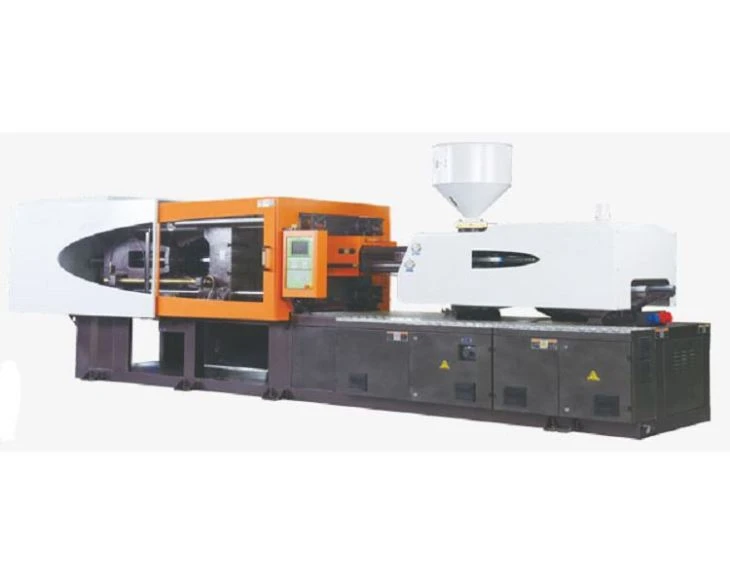
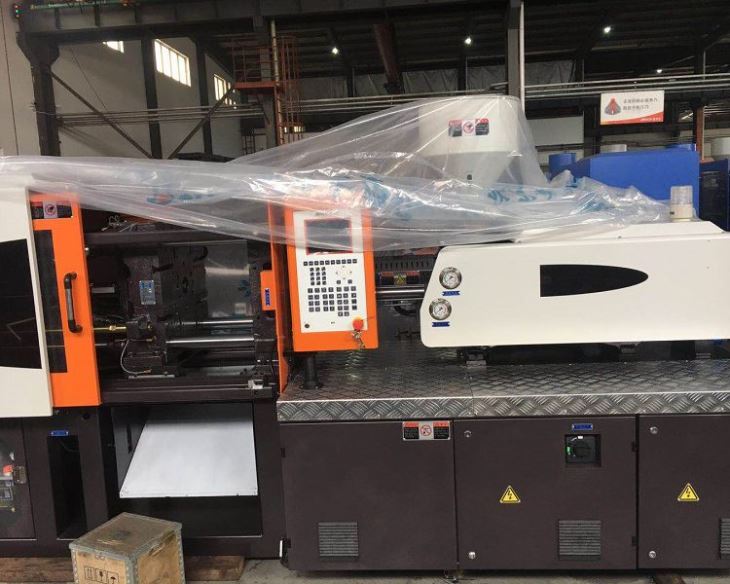
However, as mentioned earlier, the higher energy consumption and more complex maintenance requirements can lead to higher operating costs over the machine's lifespan.
Electric Plastic Injection Moulding Machines
Electric machines typically have a higher upfront cost. The advanced technology and precision components used in electric machines contribute to their higher price.
But considering the long - term savings in energy costs and the potential for increased productivity due to shorter cycle times and higher precision, the total cost of ownership of an electric machine can be competitive or even lower than that of a hydraulic machine.
7. Applications
Hydraulic Plastic Injection Moulding Machines
Hydraulic machines are well - suited for applications that require high clamping forces, such as the production of large - sized plastic parts. They are also commonly used in industries where the precision requirements are not extremely high, such as the production of consumer goods, automotive parts, and some types of packaging.
Electric Plastic Injection Moulding Machines
Electric machines are ideal for applications that demand high precision and repeatability, such as the production of medical devices, electronic components, and optical parts. The energy - efficiency and fast cycle times also make them a good choice for high - volume production. For example, our PET Plastics Injection Molding Machine and Injection Machinery for PET Preforms are often electric - driven to meet the strict quality and production requirements of the PET industry.
Conclusion
In conclusion, both hydraulic and electric plastic injection moulding machines have their own advantages and disadvantages. The choice between the two depends on various factors, including the specific requirements of the plastic parts to be produced, the production volume, the available budget, and the long - term cost considerations.
As a supplier of plastic injection moulding machines, I am committed to helping our customers make the right choice. Whether you need a high - force hydraulic machine for large - scale production or a precision - oriented electric machine for high - quality parts, we have a wide range of products to meet your needs. If you are interested in learning more about our Plastic Injection Moulding Machine offerings or have any questions regarding the selection of the right machine for your business, please feel free to contact us. We look forward to the opportunity to discuss your requirements and provide you with the best solutions.
References
- Throne, J. L. (2017). Plastics Process Engineering. Hanser Publications.
- Rosato, D. V., & Rosato, D. V. (2011). Injection Molding Handbook. Wiley.
- Osswald, T. A., & Turng, L. - S. (2007). Injection Molding Handbook. Hanser Publications.