

In the realm of plastic manufacturing, plastic injection moulding machines stand as the linchpin, playing a pivotal role in transforming raw plastic materials into a vast array of products. As a trusted Plastic Injection Moulding Machine supplier, we often encounter inquiries about the differences between vertical and horizontal plastic injection moulding machines. This blog aims to delve deep into these disparities, offering a comprehensive understanding to aid in making informed decisions for your manufacturing needs.
Structural Design
The most apparent difference between vertical and horizontal plastic injection moulding machines lies in their structural orientation. Horizontal machines, as the name implies, have a horizontally aligned clamping unit and injection unit. This layout is characterized by a long, low - lying structure. The clamping mechanism opens and closes the mould horizontally, and the injection unit injects the molten plastic horizontally into the mould cavity.
On the other hand, vertical plastic injection moulding machines feature a vertically arranged clamping and injection system. The mould opens and closes in a vertical direction, and the injection unit injects the plastic from the top or side into the vertically positioned mould. This vertical design gives the machine a more compact footprint, which can be a significant advantage in factories with limited floor space.
Mould Installation and Operation
When it comes to mould installation, horizontal machines offer relative ease, especially for large - scale moulds. The horizontal orientation allows for straightforward loading and unloading of the moulds using overhead cranes or other lifting equipment. The flat and wide work surface of the clamping unit provides a stable platform for mould mounting, and the alignment of the mould components is often more intuitive due to the horizontal plane.
Vertical machines, however, are better suited for specific types of moulds and applications. For insert moulding, where pre - formed components are placed into the mould before injection, the vertical design is highly advantageous. Gravity helps keep the inserts in place during the injection process, reducing the risk of misalignment. This makes vertical machines a popular choice for industries such as electronics, where small and delicate inserts are commonly used in the manufacturing process.
Injection and Clamping Force
In terms of injection force, both vertical and horizontal machines can be designed to deliver high - pressure injection. However, horizontal machines generally have an edge when it comes to large - volume production. The horizontal layout allows for a more efficient transfer of the injection force, enabling the machine to handle larger moulds and produce larger plastic parts. The longer injection stroke in horizontal machines can also facilitate the filling of complex - shaped mould cavities.
Clamping force is another crucial factor. Horizontal machines typically offer higher clamping forces, which are essential for producing parts with large projected areas. The horizontal clamping mechanism can distribute the clamping force more evenly across the mould surface, ensuring a tight seal during the injection process. Vertical machines, while capable of providing sufficient clamping force for many applications, may have limitations in terms of the maximum clamping force they can generate, especially in smaller - sized models.
Productivity and Efficiency
For mass production, horizontal machines often take the lead. Their ability to handle large - scale moulds and high - volume production runs makes them a staple in industries such as automotive and consumer goods manufacturing. The horizontal layout allows for easy integration with automated handling systems, such as robotic arms for part removal and conveyor belts for product transfer. This automation can significantly increase the production speed and efficiency, reducing labor costs and improving overall output.
Vertical machines, although not as well - suited for high - volume mass production, can offer high efficiency in niche applications. The quick cycle times achievable in insert moulding and the ability to perform multiple operations in a single machine setup can result in a high - quality and cost - effective production process for specific products. Additionally, the compact size of vertical machines means that they can be arranged in clusters, allowing for parallel production of different parts in a relatively small area.
Application Industries
Horizontal plastic injection moulding machines are widely used in industries where large - scale production of standard - sized plastic parts is required. The automotive industry, for example, relies heavily on horizontal machines to produce components such as bumpers, dashboards, and interior trims. The consumer goods industry also benefits from the high - volume production capabilities of horizontal machines, manufacturing products like plastic containers, toys, and household appliances.
Vertical machines find their niche in industries with specific manufacturing requirements. The electronics industry uses vertical machines for insert moulding of small electronic components, such as connectors and switches. The medical industry also favors vertical machines for the production of precision medical devices, where the ability to handle delicate inserts and maintain strict quality control is essential.
Cost Considerations
When it comes to cost, horizontal machines generally have a higher initial investment. The larger size, more complex structure, and advanced automation features of horizontal machines contribute to their higher price tag. However, for large - scale production, the economies of scale can offset the initial cost over time. The high production volume and efficiency of horizontal machines can result in lower per - unit production costs in the long run.
Vertical machines, with their more compact design and simpler structure, often come at a lower initial cost. This makes them an attractive option for small - to - medium - sized enterprises or for companies looking to enter the plastic injection moulding market with a limited budget. The lower operating costs, including reduced energy consumption due to the smaller size, also add to the cost - effectiveness of vertical machines for certain applications.
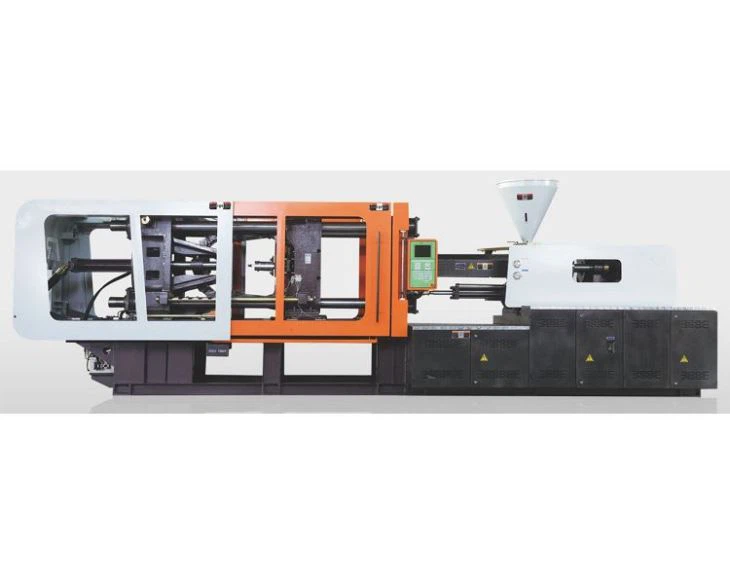

Customer Design PET Preform Injection Molding Machine and Injection Machinery for PET Preforms
Our company offers a wide range of Plastic Injection Moulding Machine solutions, including Customer Design PET Preform Injection Molding Machine and Injection Machinery for PET Preforms. Whether you need a horizontal or vertical machine for your PET preform production, we can provide customized solutions to meet your specific requirements. Our machines are designed with the latest technology and high - quality components to ensure reliable performance and excellent product quality.
Conclusion
In conclusion, the choice between vertical and horizontal plastic injection moulding machines depends on a variety of factors, including the type of product, production volume, available floor space, and budget. Horizontal machines are ideal for large - scale production of standard parts, offering ease of mould installation, high - volume production capabilities, and high clamping and injection forces. Vertical machines, on the other hand, excel in insert moulding and applications where space is limited, providing a compact design and advantages for specific types of moulds.
As a leading Plastic Injection Moulding Machine supplier, we understand the unique needs of different industries and applications. We are committed to providing our customers with the best - suited machines and comprehensive technical support. If you are considering purchasing a plastic injection moulding machine or need more information about our products, please feel free to contact us for a detailed consultation and procurement discussion.
References
- “Plastic Injection Molding Handbook” by O. Bräuniger
- “Injection Molding for Medical Applications” by James Heitzman
- Industry reports and research papers on plastic injection moulding technology.