

As a supplier of injection machines, one of the most frequently asked questions I encounter is about the power consumption of these machines. Understanding the power consumption of an injection machine is crucial for businesses, as it directly impacts operational costs and overall efficiency. In this blog, I will delve into the factors that influence the power consumption of injection machines, how to calculate it, and some tips on reducing power usage.
Factors Affecting the Power Consumption of Injection Machines
The power consumption of an injection machine is not a fixed value; it varies depending on several factors. Here are some of the key elements that play a significant role in determining how much power an injection machine uses:
Machine Size and Type
Larger injection machines generally require more power to operate. This is because they have bigger motors, heaters, and other components that need to be powered. For example, a large - scale Plastic Injection Moulding Machine used for high - volume production will consume more power compared to a smaller, table - top model.
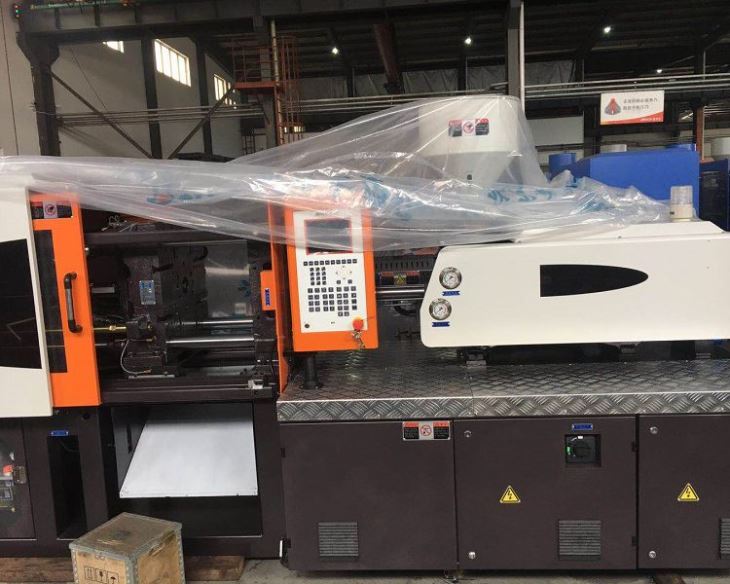

There are also different types of injection machines, such as hydraulic, electric, and hybrid. Hydraulic injection machines are known for their high power consumption. They rely on a hydraulic pump to generate the force needed for injection and clamping, and these pumps can be quite energy - intensive. Electric injection machines, on the other hand, are more energy - efficient. They use electric servo - motors to control the movement of the machine, which can be more precisely regulated, resulting in less wasted energy. Hybrid injection machines combine the features of both hydraulic and electric machines, offering a balance between power and efficiency.
Injection Process Parameters
The injection process itself has a major impact on power consumption. Parameters such as injection pressure, injection speed, and holding time all require energy. Higher injection pressures and speeds demand more power from the machine's motors. For instance, if you are molding a part with a complex shape or a high - viscosity plastic material, you may need to increase the injection pressure, which in turn will increase power consumption.
The holding time, which is the period during which pressure is maintained on the plastic in the mold to ensure proper filling and cooling, also affects power usage. A longer holding time means the machine's components, such as the clamping unit and the injection unit, need to remain active for a longer period, consuming more power.
Mold Design
The design of the mold used in the injection process can influence power consumption. A well - designed mold with proper cooling channels can reduce the cycle time of the injection process. Faster cycle times mean that the machine spends less time in each production cycle, resulting in lower overall power consumption. On the contrary, a poorly designed mold may cause longer cooling times, more frequent machine stoppages for adjustments, and increased power usage.
Calculating the Power Consumption of an Injection Machine
Calculating the power consumption of an injection machine can be a complex task, but it is possible to get a rough estimate. The power consumption of an injection machine can be divided into two main parts: standby power and operating power.
Standby Power
Standby power is the power consumed by the machine when it is turned on but not actively producing parts. This includes the power used by control systems, sensors, and other auxiliary components. To calculate the standby power consumption, you can use a power meter to measure the power draw of the machine in standby mode over a period of time. Multiply the power (in kilowatts) by the number of hours the machine is in standby mode to get the standby energy consumption (in kilowatt - hours).
Operating Power
Operating power is the power consumed during the actual injection process. To calculate the operating power consumption, you need to consider the power ratings of the main components of the machine, such as the motor, heaters, and pumps. The power rating of each component is usually specified by the manufacturer in kilowatts.
For example, if the motor of an injection machine has a power rating of 10 kW and it runs for 2 hours during a production cycle, the energy consumed by the motor alone is 10 kW×2 h = 20 kWh. You need to repeat this calculation for all the major components of the machine and sum up the results to get the total operating energy consumption for one production cycle. Then, multiply this by the number of production cycles in a given period to get the total operating power consumption.
Tips for Reducing the Power Consumption of Injection Machines
As an injection machine supplier, I always recommend my customers to take steps to reduce the power consumption of their machines. Here are some practical tips:
Upgrade to Energy - Efficient Machines
If your current injection machines are old and energy - inefficient, consider upgrading to newer models. Customer Design PET Preform Injection Molding Machine and PET Plastics Injection Molding Machine often come with advanced features that can significantly reduce power consumption. For example, modern electric injection machines use advanced control systems that can optimize the movement of the machine based on the specific requirements of each production cycle, resulting in less energy waste.
Optimize Process Parameters
Work with your production team to optimize the injection process parameters. Try to find the right balance between injection pressure, speed, and holding time to achieve the desired part quality with the minimum amount of energy. For example, you can conduct experiments to determine the lowest injection pressure that still allows for proper filling of the mold. By reducing unnecessary pressure and speed, you can save a significant amount of power.
Maintain the Machine Regularly
Regular maintenance of the injection machine is essential for efficient operation. Keep the machine's components clean, lubricated, and properly calibrated. A well - maintained machine will operate more smoothly and consume less power. For example, a dirty or clogged filter in the hydraulic system of a hydraulic injection machine can cause the pump to work harder, increasing power consumption.
Implement Energy Management Systems
Consider implementing an energy management system in your factory. These systems can monitor the power consumption of your injection machines and other equipment in real - time. They can also provide insights into energy - saving opportunities, such as identifying periods of high power consumption and suggesting ways to reduce it.
Conclusion
The power consumption of an injection machine is influenced by various factors, including machine size and type, injection process parameters, and mold design. By understanding these factors and taking steps to calculate and reduce power consumption, businesses can save on operational costs and improve their overall efficiency.
If you are interested in learning more about our injection machines or have questions about power consumption, I encourage you to contact us for a detailed discussion. Our team of experts is ready to assist you in finding the right injection machine solution for your specific needs and help you optimize its power usage.
References
- "Handbook of Plastic Injection Molding" by O. Olabisi
- "Energy - Efficient Manufacturing: Technologies and Strategies" by various authors