

As a supplier of injection machines, I've witnessed firsthand the critical role that various components play in the overall performance and efficiency of these machines. One such component that often goes unnoticed but is of utmost importance is the injection accumulator. In this blog post, I'll delve into the functions of the injection accumulator in some injection machines and explain why it's a vital part of the injection molding process.
What is an Injection Accumulator?
Before we dive into its functions, let's first understand what an injection accumulator is. An injection accumulator is a device that stores hydraulic energy in the form of pressurized fluid. It consists of a cylinder, a piston, and a gas chamber. The gas chamber is typically filled with nitrogen, which acts as a compressible medium. When the hydraulic pump supplies fluid to the accumulator, the piston compresses the gas in the chamber, storing energy. This stored energy can then be released quickly when needed, providing a rapid and powerful boost of hydraulic pressure.
Functions of the Injection Accumulator
1. High-Speed Injection
One of the primary functions of the injection accumulator is to enable high-speed injection. In injection molding, the ability to inject molten plastic into the mold cavity quickly is crucial for achieving high-quality parts. The accumulator stores energy during the idle periods of the injection cycle and releases it rapidly during the injection phase. This sudden release of energy allows the injection unit to deliver the molten plastic at a high speed, filling the mold cavity before the plastic starts to cool and solidify. As a result, the cycle time is reduced, and the production efficiency is significantly improved.
For example, in the production of Customer Design PET Preform Injection Molding Machine, high-speed injection is essential to ensure that the preforms are filled evenly and have a consistent wall thickness. The injection accumulator provides the necessary energy to achieve this, allowing for faster cycle times and higher production rates.
2. Increased Injection Pressure
In addition to high-speed injection, the injection accumulator also helps to increase the injection pressure. In some injection molding applications, such as the production of thin-walled parts or parts with complex geometries, a higher injection pressure is required to ensure that the molten plastic fills the mold cavity completely. The accumulator can supplement the pressure generated by the hydraulic pump, providing an additional boost of pressure during the injection phase.
This increased pressure helps to overcome the resistance of the mold cavity and ensures that the plastic flows smoothly into all the corners and features of the mold. For instance, in the production of PET Plastics Injection Molding Machine, the injection accumulator can enhance the injection pressure, allowing for the production of high-quality PET bottles with thin walls and precise dimensions.
3. Energy Savings
Another significant advantage of using an injection accumulator is energy savings. During the idle periods of the injection cycle, the hydraulic pump can operate at a lower pressure and flow rate, as the accumulator is responsible for storing the energy. This reduces the power consumption of the pump and lowers the overall energy requirements of the injection machine.
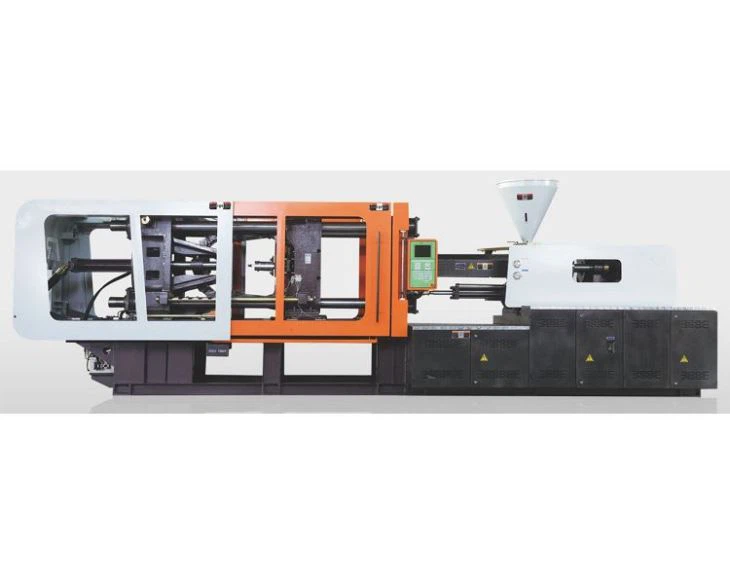

Moreover, the accumulator can help to smooth out the fluctuations in the hydraulic system, reducing the load on the pump and other components. This not only saves energy but also extends the lifespan of the equipment, reducing maintenance costs in the long run.
4. Improved Process Stability
The injection accumulator also contributes to improved process stability. By providing a consistent and reliable source of energy, the accumulator helps to maintain a stable injection speed and pressure throughout the injection cycle. This ensures that the parts produced are of consistent quality, with minimal variations in dimensions and properties.
In addition, the accumulator can absorb the shock and vibration generated during the injection process, reducing the stress on the machine and the mold. This helps to prevent damage to the equipment and improves the overall reliability of the injection molding process.
5. Versatility
The injection accumulator offers versatility in injection molding applications. It can be used in a wide range of injection machines, from small desktop machines to large industrial-scale machines. Whether you're producing small, intricate parts or large, bulky components, the accumulator can be adjusted to meet the specific requirements of your application.
For example, in the production of Injection Machinery for PET Preforms, the injection accumulator can be customized to provide the optimal injection speed and pressure for different preform sizes and designs. This flexibility allows manufacturers to adapt to changing market demands and produce a variety of products with the same injection machine.
Conclusion
In conclusion, the injection accumulator plays a crucial role in the performance and efficiency of injection machines. Its functions include high-speed injection, increased injection pressure, energy savings, improved process stability, and versatility. By using an injection accumulator, manufacturers can achieve higher production rates, better part quality, and lower energy costs.
If you're in the market for an injection machine or looking to upgrade your existing equipment, I encourage you to consider the benefits of an injection accumulator. Our company offers a wide range of injection machines equipped with high-quality injection accumulators, designed to meet the diverse needs of our customers. Whether you're a small business or a large corporation, we have the expertise and experience to provide you with the right solution for your injection molding requirements.
If you're interested in learning more about our injection machines or have any questions about the injection accumulator, please don't hesitate to contact us. Our team of experts is ready to assist you and guide you through the procurement process. Let's work together to take your injection molding production to the next level.
References
- Dooner, M., & Clutton, M. (2012). Handbook of PET bottle manufacture: preforms to blown containers. William Andrew.
- Rosato, D. V., & Rosato, D. V. (2000). Injection molding handbook. Kluwer Academic Publishers.
- Throne, J. L. (1996). Plastics process engineering. Hanser Publishers.