

Hey there! As an injection machine supplier, I often get asked about injection speed and how to adjust it. So, let's dive right into it.

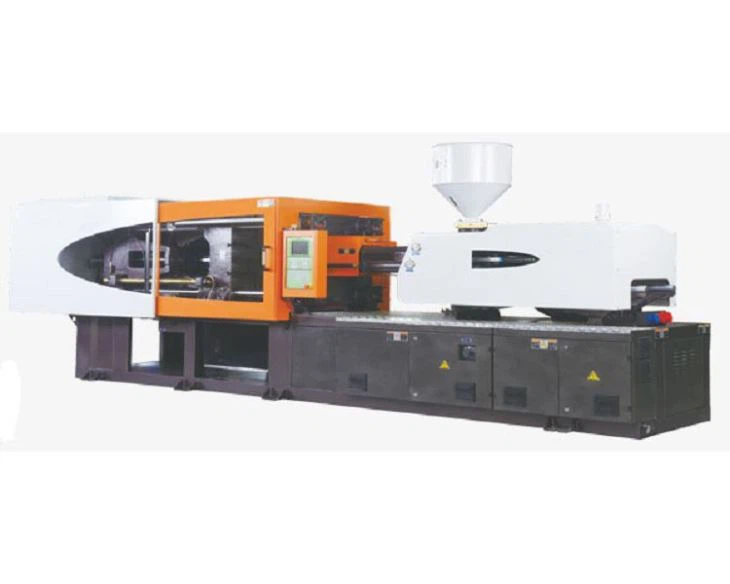
What is the Injection Speed of an Injection Machine?
First off, what exactly is injection speed? In simple terms, injection speed refers to how fast the molten plastic is pushed into the mold cavity during the injection molding process. It's usually measured in millimeters per second (mm/s).
The injection speed has a huge impact on the quality of the final product. If the speed is too slow, the plastic might start to cool before fully filling the mold. This can lead to issues like short - shots (where the part is incomplete), warping, or poor surface finish. On the other hand, if the injection speed is too high, it can cause problems such as excessive flashing (where plastic leaks out of the mold seams), jetting (where the plastic forms a snake - like pattern in the mold), or even damage to the mold itself.
Let's think about different types of products. For thin - walled parts, a high injection speed is usually required. This is because the thin - walled areas need to be filled quickly before the plastic loses its flowability. Take mobile phone cases for example. They have very thin walls, and achieving a high - quality finish requires a relatively high injection speed. In contrast, thick - walled parts might need a slower injection speed to ensure even cooling and prevent internal stresses that could lead to cracking.
How Does an Injection Machine Achieve Different Injection Speeds?
Injection machines are equipped with a hydraulic or electric system to control the movement of the screw that pushes the molten plastic into the mold. In hydraulic systems, the flow rate of the hydraulic fluid determines the speed of the screw. By adjusting the flow control valve, the operator can increase or decrease the amount of fluid flowing to the hydraulic cylinder that drives the screw. This, in turn, changes the injection speed.
For electric injection machines, the speed is controlled by a servo motor. The servo motor precisely controls the rotation and linear movement of the screw. The control system sends signals to the servo motor, telling it how fast to move the screw. This offers a high level of accuracy and repeatability.
Manufacturers design these systems to be flexible. They understand that different products and materials require different injection speeds. Whether you're using a Plastic Injection Moulding Machine for general - purpose plastics or an Injection Machinery for PET Preforms, the injection speed can be adjusted according to your needs.
Factors to Consider When Adjusting Injection Speed
Now, let's talk about how to adjust the injection speed properly. There are several factors you need to keep in mind.
Material Properties
Different plastics have different flow characteristics. For instance, polypropylene (PP) is a relatively low - viscosity plastic, which means it flows easily. So, you can use a higher injection speed when molding PP parts without much risk of issues. On the contrary, high - viscosity plastics like polycarbonate (PC) require a slower injection speed. Using too high a speed for PC can cause excessive shear stress, leading to discoloration and degradation of the plastic.
Mold Design
The complexity of the mold design also affects the injection speed. Molds with intricate details or thin channels need a carefully adjusted injection speed. If the mold has long, thin runners, a higher injection speed might be needed to ensure the plastic reaches all parts of the mold before solidifying. However, if the mold has large cavities with thick walls, a slower speed can help prevent over - packing and reduce internal stresses.
Product Requirements
The final requirements of the product play a big role in determining the injection speed. If the product has strict aesthetic requirements, such as a glossy surface finish, the injection speed needs to be adjusted to ensure smooth flow of the plastic. High - speed injection can sometimes cause surface defects, so a balance needs to be struck.
Step - by - Step Guide to Adjusting Injection Speed
Here's a general guide on how to adjust the injection speed on an injection machine:
- Initial Setup: Start by referring to the material manufacturer's recommendations for the injection speed range. This gives you a good starting point. For example, if you're using a SERVO MOTOR PET Preform Plastic Injection Molding Machine for making PET preforms, the PET resin supplier might provide a suggested injection speed range.
- Test Runs: Conduct a few test runs with different injection speeds within the recommended range. Observe the quality of the molded parts. Look for signs of short - shots, flashing, or other defects.
- Fine - Tuning: Based on the results of the test runs, make small adjustments to the injection speed. If you notice short - shots, increase the speed slightly. If there's flashing, decrease the speed.
- Monitoring and Consistency: Continuously monitor the process during production. Make sure the injection speed remains consistent to ensure the quality of each part is the same.
Adjusting Injection Speed in Practice
Let's take a real - world example. Suppose you're using a plastic injection molding machine to make automotive interior parts. These parts usually have a combination of thick and thin sections. You start with an injection speed in the middle of the recommended range for the type of plastic you're using.
During the first test run, you notice that the thin sections aren't filling completely. So, you increase the injection speed a bit. The next test shows that although the thin sections are now filled, there is some flashing around the edges. This indicates that the speed might be too high. You then decrease the speed slightly until you achieve a perfect balance where all sections of the part are filled and there are no visible defects.
Why Choose Our Injection Machines for Controlling Injection Speed?
Our injection machines are designed with state - of - the - art technology. Whether it's our hydraulic or electric models, we offer precise control over injection speed. The control systems are user - friendly, allowing operators of all experience levels to easily adjust the injection speed according to different requirements.
We also provide comprehensive training and after - sales support. Our team of experts can help you determine the optimal injection speed for your specific products and materials. With our machines, you can achieve high - quality molded parts consistently, reducing waste and increasing production efficiency.
Time to Contact Us for Your Injection Machine Needs
If you're in the market for an injection machine or need help with adjusting injection speed on your existing machine, we're here to assist you. Our wide range of products, including Plastic Injection Moulding Machine, Injection Machinery for PET Preforms, and SERVO MOTOR PET Preform Plastic Injection Molding Machine, can meet various production requirements.
Don't hesitate to contact us for a consultation about your injection molding needs. Let's work together to find the best solutions for your business and achieve top - notch results in your production.
References
- "Injection Molding Handbook" - By O. Olajide
- "Plastics Processing Technology" - Various industry experts' contributions