

As a seasoned supplier of injection machines, I often get asked about the costs associated with upgrading these essential pieces of equipment. Upgrading an injection machine can be a significant investment, but it can also bring substantial benefits in terms of efficiency, productivity, and product quality. In this blog post, I'll break down the various factors that influence the cost of upgrading an injection machine and provide you with a comprehensive overview of what to expect.
Factors Affecting the Upgrade Cost
1. Type of Upgrade
The nature of the upgrade you're considering is one of the primary factors that will determine the cost. There are several types of upgrades, each with its own price range:
- Software Upgrades: These are relatively affordable and can enhance the machine's functionality, such as improving the control system, adding new features, or enabling remote monitoring. Software upgrades typically range from a few hundred to a couple of thousand dollars, depending on the complexity of the changes.
- Hardware Upgrades: This category includes replacing or adding components like the injection unit, clamping unit, heating system, or hydraulic system. Hardware upgrades can vary widely in cost, from a few thousand dollars for minor component replacements to tens of thousands for major system overhauls.
- Full Machine Retrofit: A complete retrofit involves replacing most of the machine's components and can be quite expensive. This option is usually chosen when the machine is old and in need of a comprehensive upgrade to meet modern production requirements. Full machine retrofits can cost anywhere from $50,000 to several hundred thousand dollars, depending on the size and complexity of the machine.
2. Machine Size and Complexity
The size and complexity of the injection machine also play a significant role in determining the upgrade cost. Larger machines with more advanced features and capabilities generally require more expensive upgrades. For example, upgrading a small desktop injection machine will likely cost less than upgrading a large industrial-scale machine used for high-volume production.
3. Brand and Model
Different brands and models of injection machines have varying levels of compatibility with upgrades. Some machines may have proprietary components that are more expensive to replace or upgrade, while others may be more open to third-party upgrades, which can be more cost-effective. Additionally, newer models may require less extensive upgrades to achieve the desired performance improvements compared to older models.
4. Labor Costs
The cost of labor for installing and testing the upgrades is another important consideration. Skilled technicians are required to perform the work, and their hourly rates can vary depending on their experience and location. Labor costs can range from a few hundred to several thousand dollars, depending on the complexity of the upgrade.
5. Additional Features and Customization
If you're looking to add specific features or customize the machine to meet your unique production needs, this will add to the overall cost. For example, installing a new mold temperature control system, adding a robotic arm for part removal, or integrating advanced quality control sensors can all increase the upgrade cost.
Cost Breakdown Examples
To give you a better idea of the potential costs involved, here are some examples of common injection machine upgrades and their estimated price ranges:
Software Upgrade
- Basic control system update: $500 - $2,000
- Advanced features and functionality addition: $2,000 - $5,000
Hardware Upgrade
- Injection unit replacement: $5,000 - $20,000
- Clamping unit upgrade: $10,000 - $30,000
- Heating system replacement: $3,000 - $10,000
- Hydraulic system overhaul: $8,000 - $25,000
Full Machine Retrofit
- Small to medium-sized machine: $50,000 - $150,000
- Large industrial machine: $150,000 - $500,000+
Benefits of Upgrading an Injection Machine
While the cost of upgrading an injection machine can be significant, it's important to consider the potential benefits that come with it:
1. Improved Efficiency
Upgrading the machine's components and software can lead to faster cycle times, reduced downtime, and increased productivity. This can result in higher output and lower production costs in the long run.
2. Enhanced Product Quality
Newer technology and advanced features can improve the precision and consistency of the injection molding process, resulting in higher-quality products with fewer defects. This can lead to increased customer satisfaction and a competitive edge in the market.
3. Energy Savings
Upgrading to more energy-efficient components can reduce the machine's power consumption, resulting in lower energy bills and a more sustainable production process.

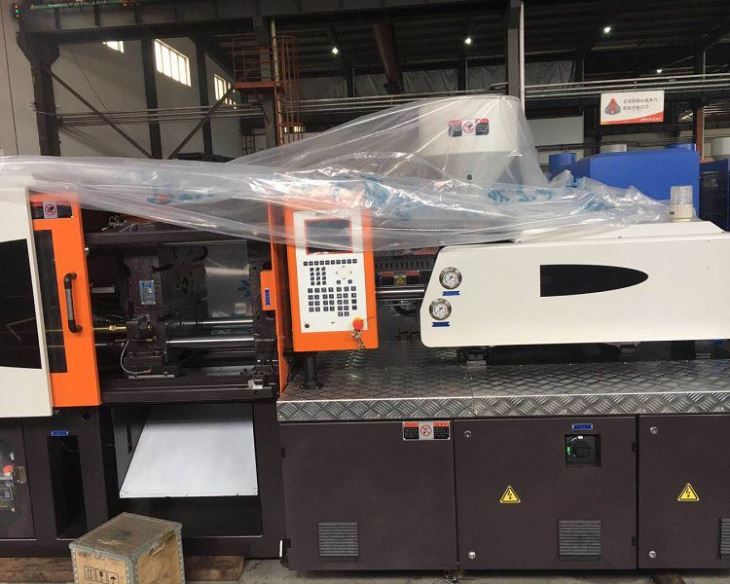
4. Compliance with Industry Standards
As industry standards and regulations evolve, upgrading your injection machine can ensure that it meets the latest safety and environmental requirements. This can help you avoid potential fines and legal issues.
Conclusion
The cost of upgrading an injection machine depends on several factors, including the type of upgrade, machine size and complexity, brand and model, labor costs, and additional features. While the upfront investment can be substantial, the benefits of upgrading in terms of improved efficiency, product quality, energy savings, and compliance with industry standards can far outweigh the costs.
If you're considering upgrading your injection machine, I encourage you to explore our range of Customer Design PET Preform Injection Molding Machine, Injection Machinery for PET Preforms, and PET Plastics Injection Molding Machine. Our team of experts can help you determine the best upgrade options for your specific needs and provide you with a detailed cost estimate. Contact us today to start the conversation and take your production to the next level.
References
- Injection Molding Handbook, by O. Johannaber
- Plastics Processing Machinery, by R. A. Myers