

Operating a plastic injection moulding machine is a complex process that requires a high level of skill and knowledge. As a supplier of Plastic Injection Moulding Machine, I've witnessed firsthand the common mistakes that operators often make. These mistakes can lead to reduced efficiency, increased costs, and even damage to the machine. In this blog, I'll discuss some of the most prevalent errors and provide insights on how to avoid them.
1. Improper Machine Setup
One of the most common mistakes is improper machine setup. This includes incorrect mold installation, misaligned clamping units, and improper temperature settings. If the mold is not installed correctly, it can cause uneven pressure distribution during the injection process, leading to defective parts. For example, if the mold is not centered on the platen, the plastic may not flow evenly, resulting in parts with thin or thick sections.
To avoid this, operators should carefully follow the manufacturer's instructions for mold installation. They should also use alignment tools to ensure that the mold is properly centered and level. Additionally, it's crucial to set the correct temperature for the plastic material being used. Different plastics have different melting points, and using the wrong temperature can lead to issues such as incomplete filling or excessive flashing.
2. Inadequate Material Preparation
Another frequent mistake is inadequate material preparation. Plastic materials need to be properly dried before being used in the injection molding process. Moisture in the plastic can cause bubbles, voids, and other defects in the final product. For instance, if the plastic contains too much moisture, it can vaporize during the injection process, creating air pockets in the part.
Operators should use a desiccant dryer to remove moisture from the plastic pellets. They should also follow the recommended drying time and temperature for the specific material. Additionally, it's important to store the plastic materials in a dry environment to prevent re - absorption of moisture.
3. Incorrect Injection Parameters
Setting the wrong injection parameters is a significant error that can have a major impact on the quality of the molded parts. Injection speed, pressure, and volume are all critical factors that need to be carefully adjusted. If the injection speed is too fast, it can cause the plastic to splash or create excessive shear stress, leading to part deformation. On the other hand, if the speed is too slow, the plastic may cool before filling the mold completely.
Similarly, incorrect injection pressure can result in under - filled or over - packed parts. If the pressure is too low, the plastic may not reach all areas of the mold, while too high pressure can cause the mold to open slightly, resulting in flashing. Operators should conduct test runs and make adjustments based on the results to find the optimal injection parameters for each specific part.
4. Poor Maintenance
Neglecting machine maintenance is a common and costly mistake. Plastic injection molding machines are complex pieces of equipment that require regular maintenance to ensure optimal performance. Failure to clean the machine regularly can lead to the buildup of plastic residue, which can affect the quality of the parts and even damage the machine components.
For example, if the screw and barrel are not cleaned properly, the plastic can degrade over time, leaving behind charred material that can contaminate future batches. Operators should also lubricate moving parts, check for worn - out components, and perform regular inspections to detect and address any potential issues early.
5. Lack of Operator Training
A lack of proper operator training is a root cause of many mistakes in plastic injection molding. Operators need to have a thorough understanding of the machine's operation, the injection molding process, and the specific requirements of the plastic materials being used. Without adequate training, they may not be able to identify and troubleshoot problems effectively.
Companies should invest in comprehensive training programs for their operators. These programs should cover machine operation, maintenance, safety procedures, and quality control. By providing operators with the necessary knowledge and skills, companies can improve the overall efficiency and quality of their injection molding operations.
6. Ignoring Safety Procedures
Safety should always be a top priority when operating a plastic injection molding machine. Ignoring safety procedures can lead to serious accidents and injuries. Operators should wear appropriate personal protective equipment (PPE), such as safety glasses, gloves, and ear protection. They should also follow lock - out/tag - out procedures when performing maintenance or cleaning on the machine.
Failure to follow safety procedures can result in contact with hot surfaces, moving parts, or harmful chemicals. For example, if an operator reaches into the machine while it's still running, they can get their hand caught in the moving parts, causing severe injuries.
7. Over - Reliance on Automation
While automation can increase efficiency and consistency in the injection molding process, over - reliance on it can be a mistake. Automated systems are not infallible, and they still require human oversight. Operators should regularly monitor the automated processes to ensure that everything is running smoothly.
For example, an automated system may malfunction, and if the operator is not paying attention, it can lead to a large number of defective parts being produced. Operators should also be able to manually intervene when necessary to correct any issues that arise.
8. Improper Mold Cooling
Proper mold cooling is essential for the quality and production efficiency of injection molded parts. If the mold is not cooled evenly or at the right rate, it can cause warping, shrinkage, and other defects. For example, if one area of the mold cools faster than another, the part may warp as it solidifies.
Operators should ensure that the cooling channels in the mold are clean and free of blockages. They should also adjust the cooling water flow rate and temperature to achieve uniform cooling. Additionally, they should monitor the mold temperature during the production process to make sure it stays within the desired range.
9. Failure to Monitor Quality
Not monitoring the quality of the molded parts during the production process is a significant oversight. Quality control is an ongoing process that should start from the beginning of production. Operators should regularly inspect the parts for defects such as cracks, voids, and dimensional inaccuracies.
They can use inspection tools such as calipers, micrometers, and vision systems to check the dimensions and appearance of the parts. By detecting defects early, operators can make adjustments to the machine settings or process parameters to prevent further production of defective parts.
10. Inconsistent Process Documentation
Inconsistent process documentation is a mistake that can lead to problems in the long run. Keeping accurate records of the injection molding process, including machine settings, material specifications, and quality control results, is crucial for process improvement and troubleshooting.
Without proper documentation, it can be difficult to reproduce successful production runs or to identify the cause of problems when they occur. Operators should maintain detailed records of each production batch, including any changes made to the process.
As a supplier of PET Plastics Injection Molding Machine and Customer Design PET Preform Injection Molding Machine, we understand the importance of avoiding these common mistakes. Our machines are designed to be user - friendly and reliable, but proper operation and maintenance are still essential.
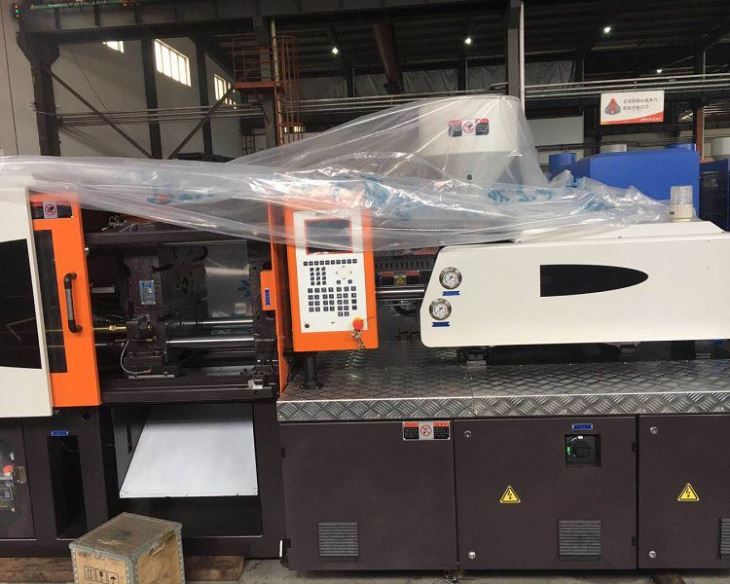

If you're looking to improve the efficiency and quality of your plastic injection molding operations, we're here to help. Our team of experts can provide you with training, technical support, and advice on how to optimize your processes. Contact us to discuss your specific needs and start a successful partnership for your plastic injection molding projects.
References
- "Injection Molding Handbook" by O. Olumuyiwa Salami
- "Plastic Injection Molding Technology" by John Bozzelli