

Hey there! As a supplier of injection machines, I've seen firsthand how crucial it is to choose the right one for your business. With so many options out there, it can be a real head - scratcher. But don't worry, I'm here to walk you through the process and make it a whole lot easier.
Understanding Your Needs
First things first, you gotta figure out what you need the injection machine for. Are you making small, intricate parts or large, bulky items? The size and complexity of your products play a huge role in choosing the right machine.
If you're working with PET Plastics Injection Molding Machine, you'll need a machine that can handle the specific properties of PET plastics. These machines are designed to heat and inject the plastic in a way that ensures high - quality products. They usually come with features like precise temperature control and high - pressure injection to get the job done right.
On the other hand, if you're into making Injection Machinery for PET Preforms, the requirements are a bit different. PET preforms need to be molded with a high level of accuracy to ensure they can be properly blown into bottles or other containers later on. So, you'll want a machine with excellent repeatability and tight tolerances.
Production Volume
Another important factor is your production volume. Are you a small - scale operation making a few hundred parts a day, or a large - scale manufacturer churning out thousands?
For low - volume production, a smaller, more affordable machine might be the way to go. These machines are often more flexible and can be easily adjusted for different products. They're also a great option if you're just starting out and don't want to invest a huge amount of money upfront.
But if you're looking at high - volume production, you'll need a heavy - duty machine that can run continuously without breaking down. These machines are built to last and are designed for maximum efficiency. They usually have larger clamping forces and faster injection speeds to keep up with the demand.
Clamping Force
The clamping force of an injection machine is the amount of force it can apply to hold the mold closed during the injection process. This is super important because if the clamping force isn't strong enough, the plastic can leak out of the mold, causing defects in the final product.
To determine the right clamping force for your needs, you need to consider the size and shape of your mold, as well as the type of plastic you're using. Generally, larger molds and more viscous plastics require more clamping force.
Injection Unit
The injection unit is responsible for melting and injecting the plastic into the mold. There are two main types of injection units: reciprocating screw and ram.
Reciprocating screw injection units are the most common type. They use a screw to melt and mix the plastic before injecting it into the mold. These units offer good control over the injection process and can handle a wide range of plastics.
Ram injection units, on the other hand, use a piston to push the melted plastic into the mold. They're often used for high - viscosity plastics or applications where precise control of the injection volume is required.
Energy Efficiency
In today's world, energy efficiency is a big deal. Not only does it save you money on your electricity bills, but it's also better for the environment.
When choosing an injection machine, look for models that are designed to be energy - efficient. These machines often use advanced technologies like variable - frequency drives and servo - motor systems to reduce energy consumption. They can also recover and reuse energy during the injection process, further cutting down on costs.
Maintenance and Support
Let's face it, even the best machines break down from time to time. That's why it's important to choose a machine that's easy to maintain and comes with good support from the manufacturer.
Look for machines that have accessible components and clear maintenance instructions. It's also a good idea to choose a manufacturer that offers training on how to operate and maintain the machine. And of course, make sure they have a reliable customer support team that can help you out if you run into any problems.
Cost
Last but not least, cost is always a factor. But remember, the cheapest machine isn't always the best option. You need to consider the long - term costs, including maintenance, energy consumption, and the quality of the products it can produce.
When comparing prices, make sure you're comparing apples to apples. Look at the features and specifications of each machine and see how they stack up against your needs. Sometimes, it's worth paying a little more for a machine that will give you better performance and reliability in the long run.
Conclusion
Choosing the right injection machine is a big decision, but it doesn't have to be overwhelming. By considering your needs, production volume, clamping force, injection unit, energy efficiency, maintenance, and cost, you can narrow down your options and find the perfect machine for your business.
If you're still not sure which machine is right for you, don't hesitate to reach out. As a supplier, I've got the knowledge and experience to help you make the best choice. Whether you're looking for a PET Plastics Injection Molding Machine, Injection Machinery for PET Preforms, or a Plastic Injection Moulding Machine, I can guide you through the process and answer all your questions.
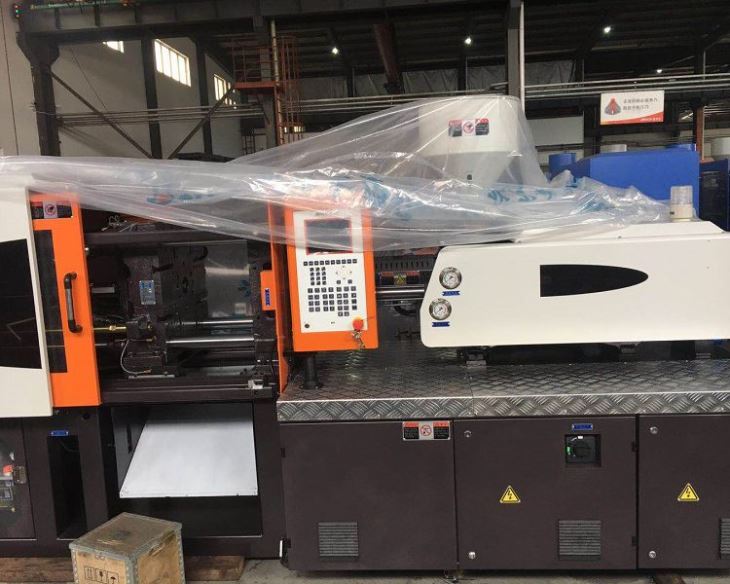

So, if you're ready to take your production to the next level, let's start the conversation. I'm here to help you find the injection machine that will meet your needs and exceed your expectations.
References
- "Injection Molding Handbook" by O. Olszewski
- "Plastics Processing: Modeling and Simulation" by J. Vlachopoulos