

Ensuring the safety of operators when changing molds in a Cap Compression Molding Machine is of utmost importance. As a trusted supplier of Cap Compression Molding Machines, we understand the critical role safety plays in every aspect of the manufacturing process. In this blog post, we will explore various strategies and best practices to guarantee operator safety during mold changes.
Understanding the Risks
Before delving into safety measures, it's essential to recognize the potential risks associated with mold changes in a Cap Compression Molding Machine. These risks include physical injuries from heavy mold handling, exposure to hot surfaces, and the possibility of electrical hazards. Molds can be extremely heavy, and improper lifting techniques can lead to back injuries, strains, and sprains. Additionally, the machine's components may still be hot after operation, posing a burn risk to operators. Electrical hazards can occur if the machine is not properly powered off or if there are faulty electrical connections.
Pre - Change Preparations
Training and Education
One of the most effective ways to ensure operator safety is through comprehensive training. Operators should be well - versed in the proper procedures for mold changes. This includes understanding the machine's operation manual, learning about the specific safety features of the Cap Compression Molding Machine, and practicing safe lifting techniques. Our company offers in - depth training programs for operators, covering everything from basic machine functions to complex mold change operations. By investing in training, operators can gain the confidence and knowledge needed to perform their tasks safely.
Safety Equipment Inspection
Before starting the mold change process, a thorough inspection of safety equipment is crucial. This includes checking personal protective equipment (PPE) such as safety glasses, gloves, and steel - toed boots. The PPE should be in good condition and fit properly. Additionally, safety devices on the machine, such as emergency stop buttons, safety guards, and interlocks, should be inspected to ensure they are functioning correctly. Any damaged or malfunctioning equipment should be replaced or repaired immediately.
Machine Shutdown and Lockout/Tagout
Proper machine shutdown and the implementation of lockout/tagout procedures are non - negotiable steps in ensuring operator safety. The Cap Compression Molding Machine should be powered off, and all energy sources, including electrical, hydraulic, and pneumatic, should be isolated. A lockout/tagout device should be applied to prevent unauthorized restart of the machine. This procedure not only protects operators from accidental machine startup but also ensures that the machine is in a stable state during the mold change.
The Mold Change Process
Safe Lifting and Handling
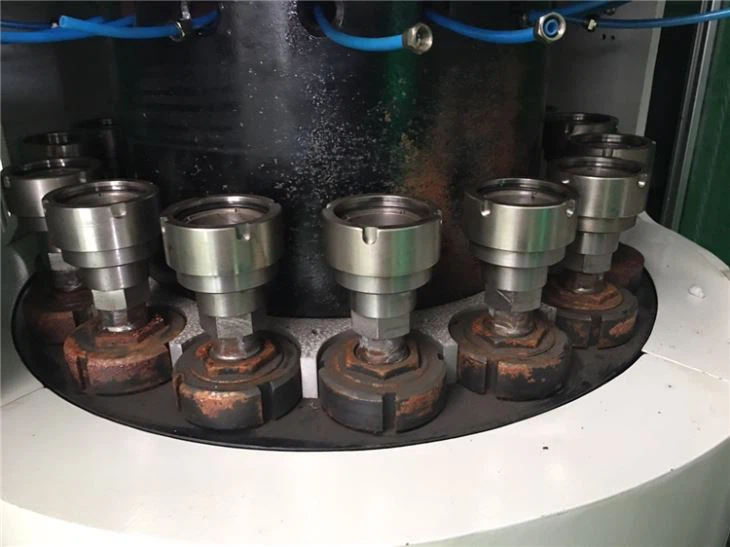
Molds can be very heavy, so using appropriate lifting equipment is essential. Forklifts, hoists, or other lifting devices should be used to move the molds safely. Operators should be trained in the proper use of these lifting tools. When lifting the mold, the center of gravity should be carefully considered to prevent the mold from tipping or shifting during transport. Our Hydraulic Plastic Sode Cap Compression Molding Machine is designed with features that facilitate easy and safe mold handling, reducing the risk of injuries during the change process.
Hot Surface Awareness
As mentioned earlier, the machine's components can remain hot after operation. Operators should be aware of these hot surfaces and use appropriate tools, such as heat - resistant gloves, to handle any parts that may still be warm. Before starting the mold change, it's advisable to wait for the machine to cool down to a safe temperature. This not only protects the operator from burns but also prevents damage to the molds due to thermal expansion and contraction.
Electrical Safety
During the mold change, electrical safety should be a top priority. All electrical connections should be carefully inspected to ensure they are secure and free from damage. If any electrical work needs to be done, it should be performed by a qualified electrician. Operators should never attempt to make electrical repairs or adjustments without proper authorization. Our High Speed Hydraulic Plastic Cap Compression Molding Machine is equipped with advanced electrical safety features to minimize the risk of electrical accidents.

Post - Change Checks
Machine Re - Assembly and Testing
After the mold change is complete, the machine should be carefully re - assembled. All components should be tightened to the correct specifications, and any safety guards or covers should be replaced. Once the re - assembly is finished, a series of tests should be conducted to ensure the machine is operating correctly. This includes running a test cycle without any production materials to check for any abnormal noises, vibrations, or malfunctions.
Safety Device Verification
Before resuming normal production, it's essential to verify that all safety devices are still functioning properly. Emergency stop buttons should be tested to ensure they can immediately halt the machine's operation. Safety guards and interlocks should be checked to make sure they are in place and providing the necessary protection. Any issues with the safety devices should be addressed before production resumes.
Continuous Improvement
Safety is an ongoing process, and there is always room for improvement. Our company encourages operators to provide feedback on the mold change process. This feedback can be used to identify areas where safety procedures can be enhanced. We also stay up - to - date with the latest industry standards and best practices, incorporating new safety features into our Plastic Cap Compression Molding Machine for Water Lids and other products. By continuously improving our safety protocols, we can provide a safer working environment for operators.
Conclusion
Ensuring the safety of operators when changing molds in a Cap Compression Molding Machine is a multi - faceted task that requires careful planning, training, and attention to detail. By following the strategies outlined in this blog post, operators can significantly reduce the risk of injuries during the mold change process. As a supplier of high - quality Cap Compression Molding Machines, we are committed to providing not only top - notch equipment but also the knowledge and support needed to ensure the safety of your operators.
If you are interested in learning more about our Cap Compression Molding Machines or have any questions regarding safety during mold changes, we invite you to contact us for a detailed discussion. We are eager to assist you in making your manufacturing process as safe and efficient as possible.
References
- Industry safety standards for plastic molding machines
- Manufacturer's operation manuals for Cap Compression Molding Machines
- Research on workplace safety in the manufacturing industry