

Hey there! As a supplier of injection machines, I've been in the game for quite a while, and I know how crucial it is to design the core and cavity for an injection machine correctly. It can make or break your production process, so let's dive right into it.
Understanding the Basics
First off, what are the core and cavity in an injection machine? Well, think of the cavity as the negative space that forms the outer shape of your plastic part. It's like a mold that the molten plastic fills up. On the other hand, the core is the part that creates the inner shape of the plastic part. Together, they work in harmony to produce the final product.
When designing the core and cavity, you need to consider the type of plastic you'll be using. Different plastics have different properties, such as melting points, shrinkage rates, and flow characteristics. For example, if you're using a high - shrinkage plastic, you'll need to account for that in your design to ensure the final part meets the required dimensions.
Design Considerations
Part Geometry
The shape of the part you want to produce is a major factor. Complex geometries may require more intricate core and cavity designs. For instance, if your part has undercuts (areas that prevent the part from being ejected straight out of the mold), you'll need to incorporate mechanisms like slides or lifters in your design. These allow the mold to open in a way that releases the part without damaging it.
Draft Angles
Draft angles are essential. They are the slight taper on the walls of the cavity and core. Draft angles make it easier to eject the part from the mold after it has solidified. Without proper draft angles, the part may get stuck in the mold, leading to damage or a flawed product. A general rule of thumb is to have a draft angle of at least 1 - 2 degrees, but this can vary depending on the plastic material and part complexity.
Wall Thickness
Uniform wall thickness is key. Inconsistent wall thickness can cause issues like warping, sink marks, and uneven cooling. When the plastic cools, it shrinks, and if the walls are of different thicknesses, the shrinkage will be uneven, leading to a distorted part. Aim for a consistent wall thickness throughout the part, and if you need to change the thickness, do it gradually.
Gate Location
The gate is the point where the molten plastic enters the cavity. Choosing the right gate location is crucial. It affects the flow of the plastic, the filling pattern, and the overall quality of the part. A poorly placed gate can result in air traps, weld lines (where two flows of plastic meet and don't fully bond), and uneven filling. You need to consider the part's shape, size, and the type of plastic when deciding on the gate location.
Material Selection for Core and Cavity
The materials used for the core and cavity play a significant role in the performance and longevity of the mold. Common materials include tool steels, stainless steels, and aluminum.
Tool steels are known for their high hardness and wear resistance. They can withstand the high pressures and temperatures involved in the injection molding process. Stainless steels are corrosion - resistant, which is important if you're using plastics that may release corrosive by - products during molding. Aluminum is lightweight and has good thermal conductivity, which can lead to faster cooling times. However, it's not as hard as steel, so it may not be suitable for high - volume production.
Manufacturing the Core and Cavity
Once you've finalized the design, it's time to manufacture the core and cavity. This typically involves machining processes like milling, turning, and electrical discharge machining (EDM).
Milling is used to create the basic shape of the core and cavity. It can produce complex geometries with high precision. Turning is used for cylindrical parts. EDM is useful for creating intricate details and hard - to - reach areas. It works by using electrical discharges to erode the material.
After machining, the core and cavity may need to be heat - treated to improve their hardness and durability. Surface finishing is also important. A smooth surface finish on the core and cavity can improve the appearance of the final part and make it easier to eject.
Testing and Optimization
Before you start full - scale production, it's essential to test the mold. You can do a trial run with a small batch of parts. Check for any issues like warping, sink marks, or incomplete filling. If you find any problems, you'll need to optimize the design. This may involve making adjustments to the gate location, draft angles, or wall thickness.
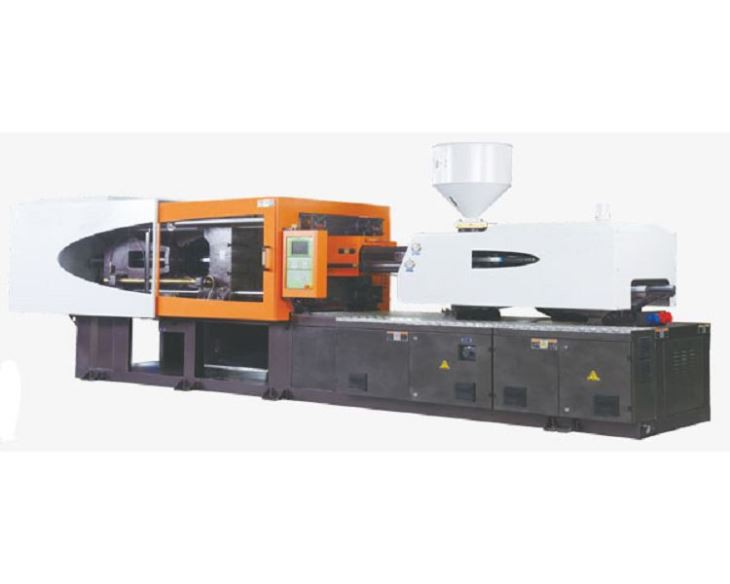

You can also use simulation software to predict the flow of the plastic, the filling pattern, and the cooling process. This can help you identify potential issues before you start manufacturing the mold, saving you time and money.
Our Injection Machine Solutions
At our company, we offer a range of injection machines suitable for different applications. If you're interested in producing PET preforms, check out our Injection Machinery for PET Preforms. It's designed to meet the specific requirements of PET preform production, with features that ensure high - quality and efficient manufacturing.
We also have the SERVO MOTOR PET Preform Plastic Injection Molding Machine. This machine uses servo motor technology for precise control, resulting in better energy efficiency and more consistent part quality.
For those who need a customized solution, our Customer Design PET Preform Injection Molding Machine is the way to go. We can work with you to design a machine that meets your exact specifications.
Conclusion
Designing the core and cavity for an injection machine is a complex but rewarding process. By considering factors like part geometry, draft angles, wall thickness, and gate location, and choosing the right materials and manufacturing processes, you can create a mold that produces high - quality parts.
If you're in the market for an injection machine or need help with core and cavity design, don't hesitate to reach out. We're here to assist you in making the right choices for your production needs. Whether you're a small - scale manufacturer or a large - scale production facility, we have the expertise and solutions to meet your requirements.
References
- "Injection Molding Handbook" by O. Olszewski
- "Plastic Materials and Processing" by Donald R. Paul and Charles A. Han