

As a seasoned supplier of injection machines, I've witnessed firsthand the pivotal role that mold design plays in the success of injection molding operations. An optimized mold design not only enhances the quality of the final product but also boosts production efficiency and reduces costs. In this blog post, I'll share some valuable insights on how to optimize the mold design for an injection machine.
Understanding the Basics of Injection Molding
Before delving into mold design optimization, it's essential to have a solid understanding of the injection molding process. Injection molding involves injecting molten plastic into a mold cavity under high pressure. The plastic then cools and solidifies, taking the shape of the cavity. Once the plastic has solidified, the mold opens, and the finished part is ejected.
The quality of the final product depends on several factors, including the design of the mold, the type of plastic used, the injection molding machine settings, and the cooling process. By optimizing the mold design, you can ensure that the plastic flows evenly into the cavity, minimizing the risk of defects such as air bubbles, warping, and sink marks.
Key Considerations for Mold Design Optimization
Material Selection
The choice of mold material is crucial as it directly impacts the mold's durability, performance, and cost. Common mold materials include steel, aluminum, and beryllium copper. Steel molds are known for their high strength and wear resistance, making them suitable for high-volume production. Aluminum molds, on the other hand, are lighter and have better thermal conductivity, which can reduce cycle times. Beryllium copper is often used for components that require good thermal conductivity and electrical conductivity.
Part Geometry
The geometry of the part to be molded is another critical factor in mold design. Complex geometries may require additional features such as slides, lifters, or cores to facilitate part ejection. It's important to design the mold in such a way that the plastic can flow smoothly into all areas of the cavity, avoiding areas with thin walls or sharp corners that can cause flow restrictions.
Gate Design
The gate is the opening through which the molten plastic enters the mold cavity. The size, shape, and location of the gate can significantly affect the filling pattern and the quality of the final part. There are several types of gates, including sprue gates, edge gates, pin gates, and submarine gates. The choice of gate type depends on the part geometry, the plastic material, and the production requirements.
Cooling System Design
Efficient cooling is essential for reducing cycle times and ensuring uniform part shrinkage. A well-designed cooling system helps to remove heat from the mold quickly and evenly, preventing warping and other defects. Cooling channels can be drilled into the mold or created using advanced manufacturing techniques such as additive manufacturing. The layout and size of the cooling channels should be optimized based on the part geometry and the heat transfer requirements.
Ejection System Design
The ejection system is responsible for removing the finished part from the mold once it has solidified. A reliable ejection system is essential for preventing part damage and ensuring smooth production. There are several types of ejection systems, including ejector pins, ejector sleeves, and stripper plates. The choice of ejection system depends on the part geometry and the production requirements.
Advanced Techniques for Mold Design Optimization
Simulation Software
Simulation software can be a powerful tool for optimizing mold design. By using simulation software, you can predict the flow of molten plastic, the cooling process, and the formation of defects before the mold is manufactured. This allows you to make design changes early in the process, reducing the risk of costly rework and improving the overall quality of the mold.
Additive Manufacturing
Additive manufacturing, also known as 3D printing, has revolutionized the mold-making industry. 3D printing allows for the creation of complex mold geometries that are difficult or impossible to achieve using traditional manufacturing methods. It also enables rapid prototyping, reducing the time and cost required to develop new molds.
Incorporating Smart Features
Smart features such as sensors and actuators can be integrated into the mold design to monitor and control the injection molding process in real-time. For example, sensors can be used to measure temperature, pressure, and flow rate, allowing for precise control of the process parameters. Actuators can be used to adjust the mold's position or the cooling rate, ensuring consistent part quality.
Benefits of Optimized Mold Design
Improved Product Quality
An optimized mold design ensures that the plastic flows evenly into the cavity, resulting in a more uniform part with fewer defects. This leads to higher product quality and customer satisfaction.
Increased Production Efficiency
By reducing cycle times and minimizing the occurrence of defects, an optimized mold design can significantly increase production efficiency. This allows you to produce more parts in less time, reducing costs and improving your competitiveness in the market.
Cost Savings
Optimized mold design can also lead to cost savings in several ways. By using simulation software and advanced manufacturing techniques, you can reduce the time and cost required to develop new molds. Additionally, by improving product quality and production efficiency, you can reduce the cost of scrap and rework, as well as the cost of labor and energy.
Conclusion
Optimizing the mold design for an injection machine is a complex but rewarding process. By considering the key factors discussed in this blog post and incorporating advanced techniques such as simulation software, additive manufacturing, and smart features, you can create molds that deliver high-quality parts, increased production efficiency, and significant cost savings.
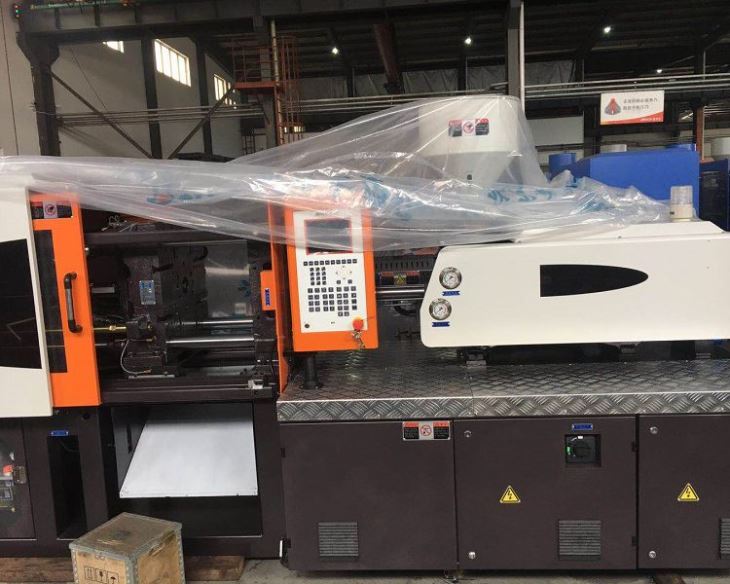
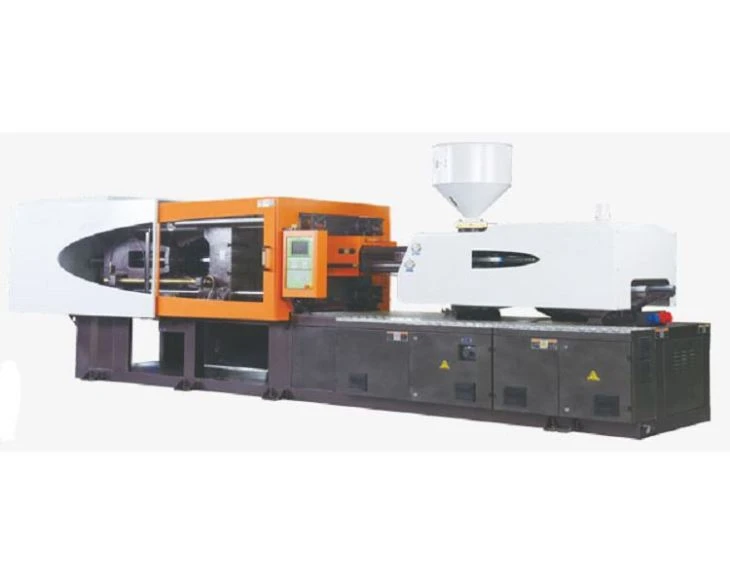
If you're in the market for an injection machine or need assistance with mold design optimization, we're here to help. Our company offers a wide range of SERVO MOTOR PET Preform Plastic Injection Molding Machine, Plastic Injection Moulding Machine, and PET Plastics Injection Molding Machine to meet your specific needs. Contact us today to discuss your requirements and learn how we can help you optimize your injection molding operations.
References
- Throne, J. L. (2013). Plastics Process Engineering. CRC Press.
- Rosato, D. V., & Rosato, D. V. (2000). Injection Molding Handbook. Kluwer Academic Publishers.
- Osswald, T. A., & Turng, L. -S. (2007). Injection Molding Handbook. Hanser Publishers.